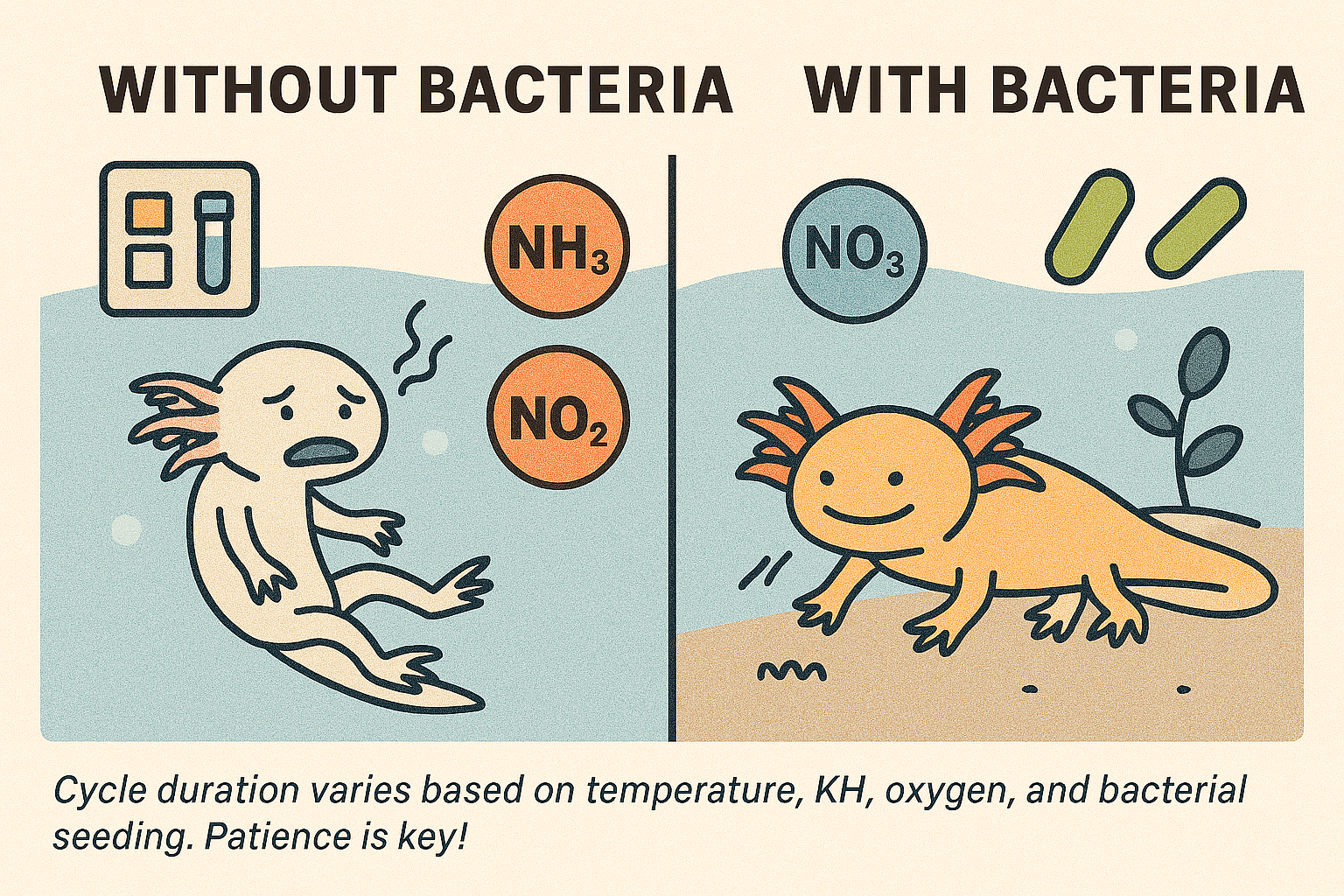
The Unsung Heroes of Aquatic Health: Nitrifying Bacteria
When we think about keeping aquatic animals healthy, our minds often go straight to clean water, proper food, and attentive care. But behind the scenes, there’s a microscopic workforce making all of this possible: nitrifying bacteria. These tiny organisms are essential for maintaining safe water conditions, and they deserve a little spotlight.
Meet Nitrosomonas
Nitrosomonas are rod-shaped (sometimes ellipsoidal or coccoid) bacteria that measure about 0.5–0.7 µm wide and 0.9–1.6 µm long. They’re obligate chemolithoautotrophs, meaning they rely solely on inorganic carbon — specifically carbon dioxide — to produce energy.
Gram Stain: Gram-negative (pink/red under the microscope)
Class: Betaproteobacteria
Where They Live: Freshwater, soil, sewage, and wastewater treatment plants
Role in Nitrification: They oxidize ammonia into nitrite, a critical first step in the nitrogen cycle
The chemical reaction looks like this:

or

In simpler terms: Nitrosomonas take toxic ammonia and transform it into nitrite, which is still harmful but one step closer to being neutralized.
Meet Nitrobacter
Nitrobacter are slightly larger, ranging from 0.5–0.9 µm wide and 1.0–2.0 µm long. They’re also chemolithoautotrophs, but their energy comes from oxidizing nitrite.
Gram Stain: Gram-negative
Class: Alphaproteobacteria
Reproduction: Budding or binary fission
Where They Live: Freshwater, seawater, and soil
Role in Nitrification: They oxidize nitrite into nitrate, which is far less toxic and can be removed through water changes or denitrification
Their chemical reaction:
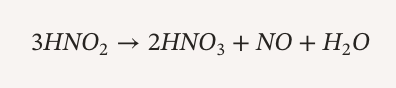
This step is vital because it prevents nitrite from building up to dangerous levels in aquatic systems.
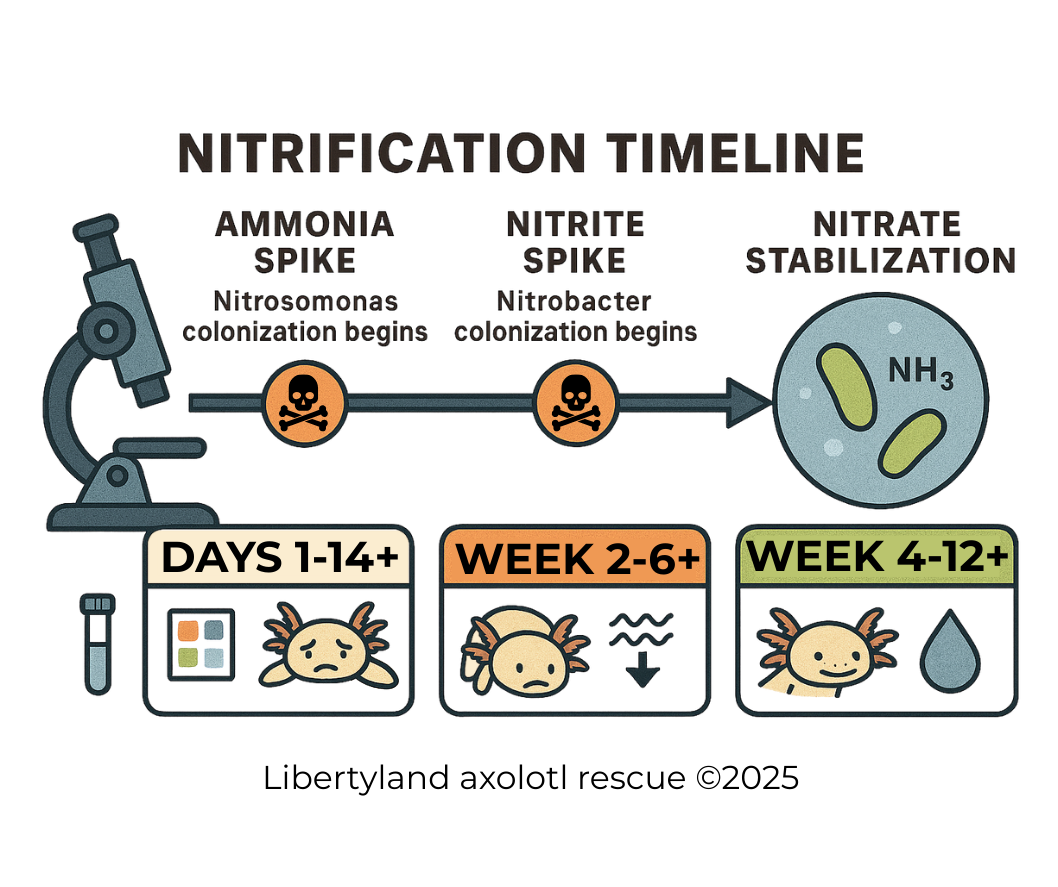
How They Work Together
Nitrosomonas and Nitrobacter form a tag team:
Nitrosomonas convert ammonia into nitrite.
Nitrobacter then convert nitrite into nitrate.
For this process to work smoothly, the water needs a stable carbonate hardness (KH). A KH above 5 provides enough carbonate — often in the form of calcium carbonate — to support nitrification.
Finally, nitrates are managed through water changes or by denitrifying bacteria such as Thiobacillus denitrificans, Paracoccus denitrificans, and Pseudomonas aeruginosa, which convert nitrates into nitrogen gas and other nitrogen oxides.
Why This Matters for Aquatic Care
For rescues like ours, understanding nitrifying bacteria isn’t just science trivia — it’s the foundation of keeping axolotls and other aquatic animals safe. Without these bacteria, ammonia and nitrite would quickly reach toxic levels. By appreciating their role, we can better manage water quality and ensure our animals thrive in healthy environments.