Short Toe Syndrome in Axolotls — Causes, Signs, and Rescue Guidance
Short Toe Syndrome (s/s) is a homozygous recessive genetic mutation that causes a range of limb and urogenital abnormalities in axolotls. Prognosis for homozygous animals is poor, affected animals should never be used for breeding, and owners should consult an exotic‑animal veterinarian or contact a qualified rescue for guidance.
Signs and progression
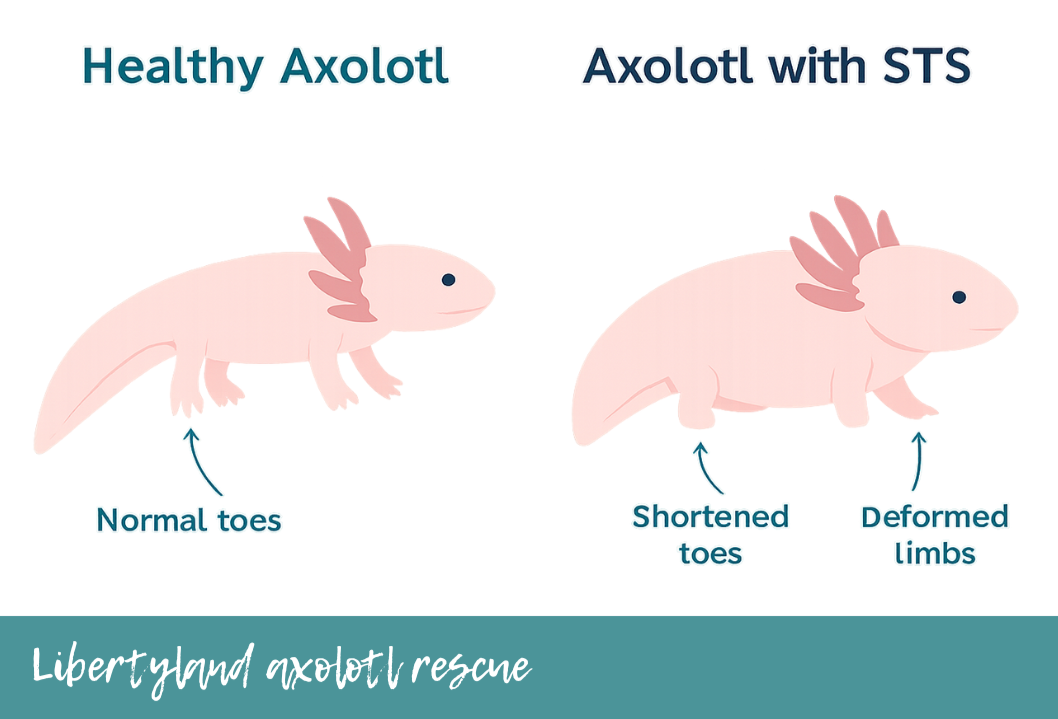
Limb abnormalities
Shortened or paddle‑like feet, reduced phalanges, malformed or shortened forelimbs and hindlimbs; severe cases may have a single jointless bone supporting a digit.Loss of limb regeneration
Affected axolotls typically retain tail and spinal cord regeneration but cannot regenerate limbs.Urogenital and renal disease
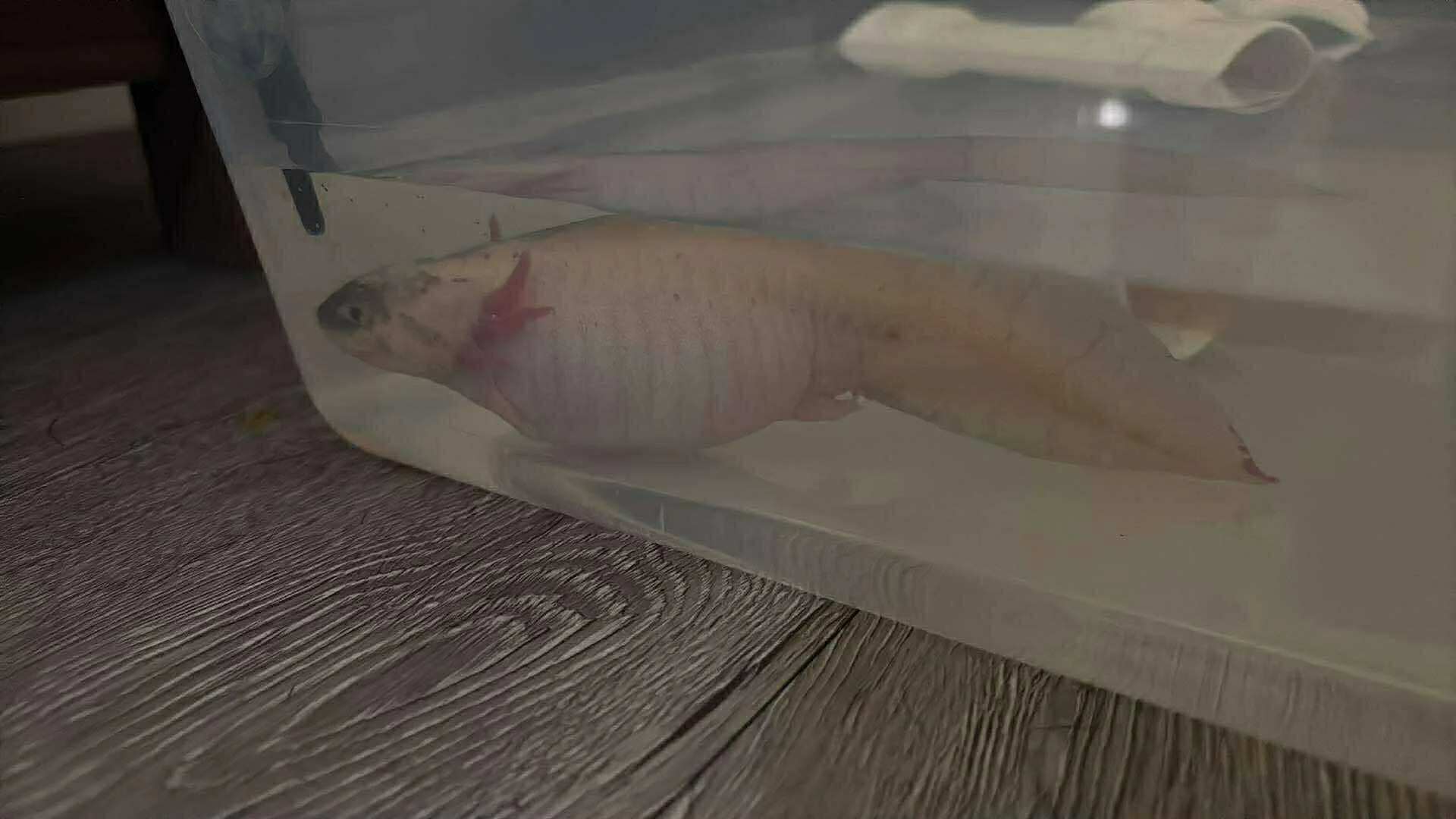
Failure of normal Müllerian development, progressive renal dysfunction, and ascites (fluid accumulation) are commonly reported; renal failure is often the terminal event.Skeletal and muscular defects
Skull enlargement, missing ribs, reduced muscle mass, and other developmental skeletal anomalies may occur.Variability
Expression varies widely even within the same clutch: some juveniles show only toe shortening while others progress to multisystem disease.
Treatment and rescue policy
There is no cure. Management of STS focuses on quality of life and veterinary supportive care. Many clinical and research sources describe the condition as lethal in homozygotes and recommend veterinary consultation for humane decision‑making.
Our rescue policy
Affected axolotls will not be bred.
Owners should contact an exotic‑animal veterinarian for diagnosis and prognosis.
If an animal’s quality of life is poor or declining, the rescue follows veterinary guidance and may recommend humane euthanasia to prevent suffering.
If you cannot care for the animal, contact the rescue for intake or rehoming options.
Supportive measures
Symptomatic veterinary care (fluid management, monitoring) may temporarily improve comfort. Experimental or specialized interventions should only be used under veterinary supervision and with peer‑reviewed support.
Case examples
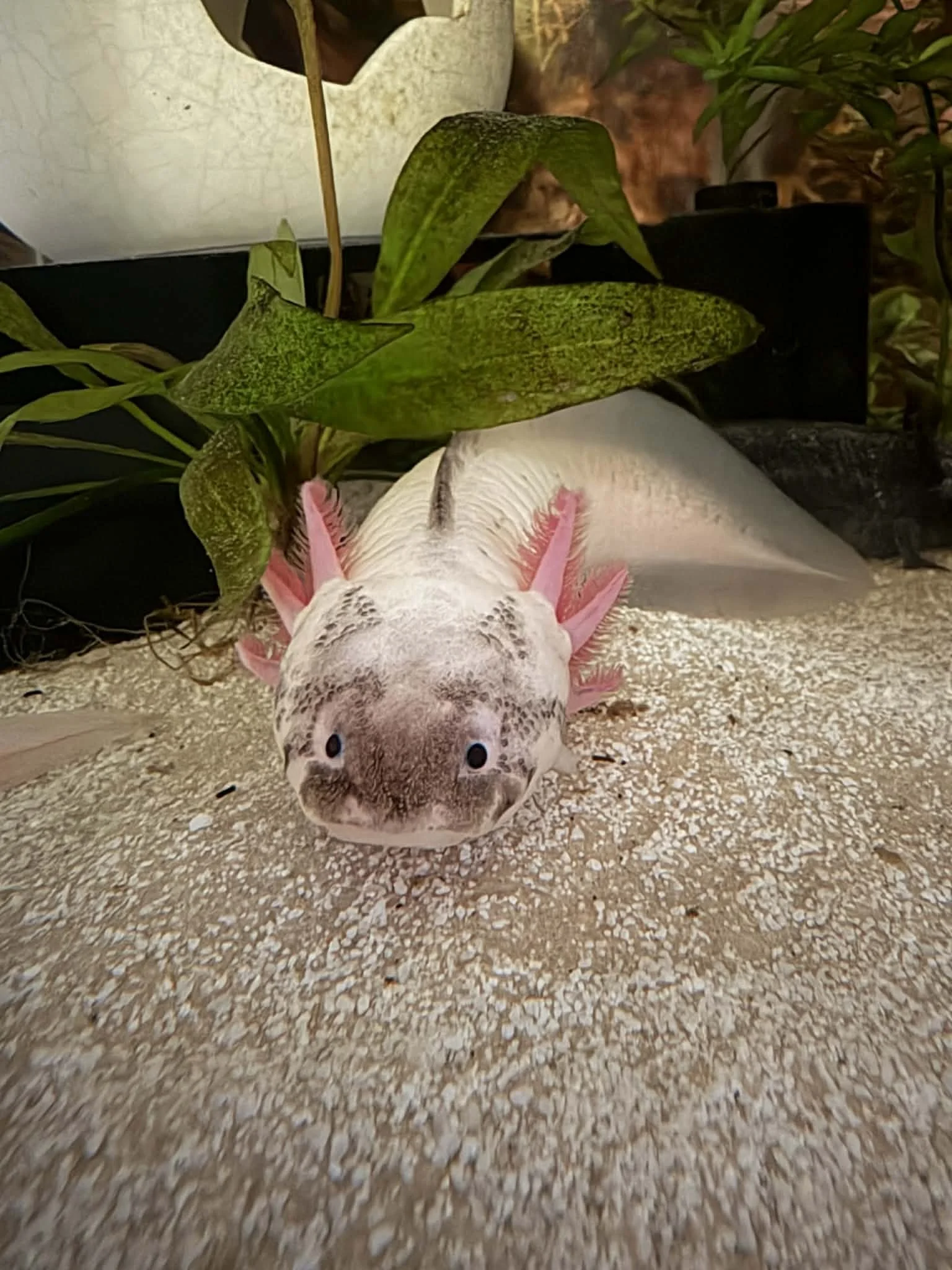
Pansy — Juvenile with malformed limbs and limited regenerative potential; no renal signs at intake.
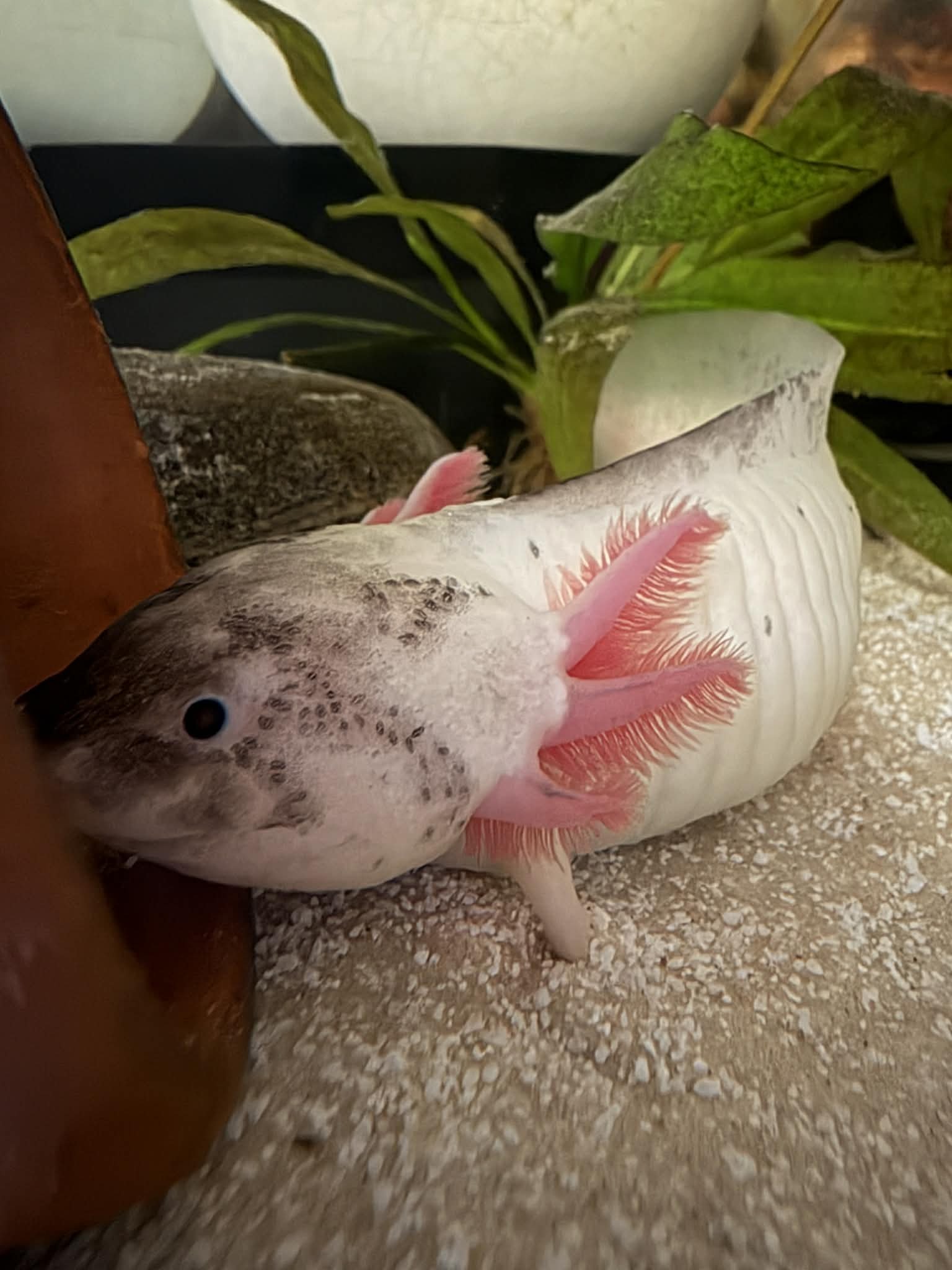
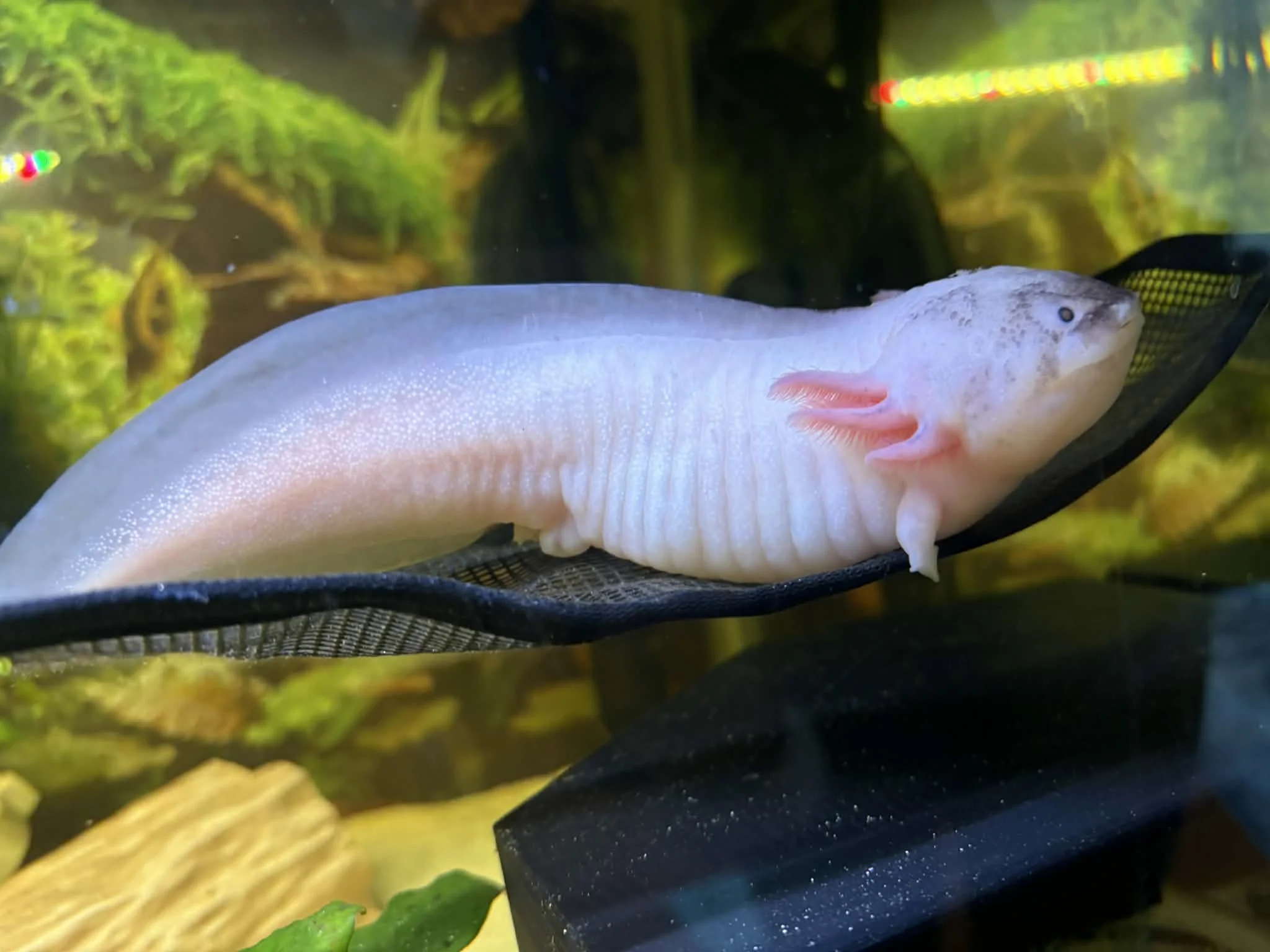
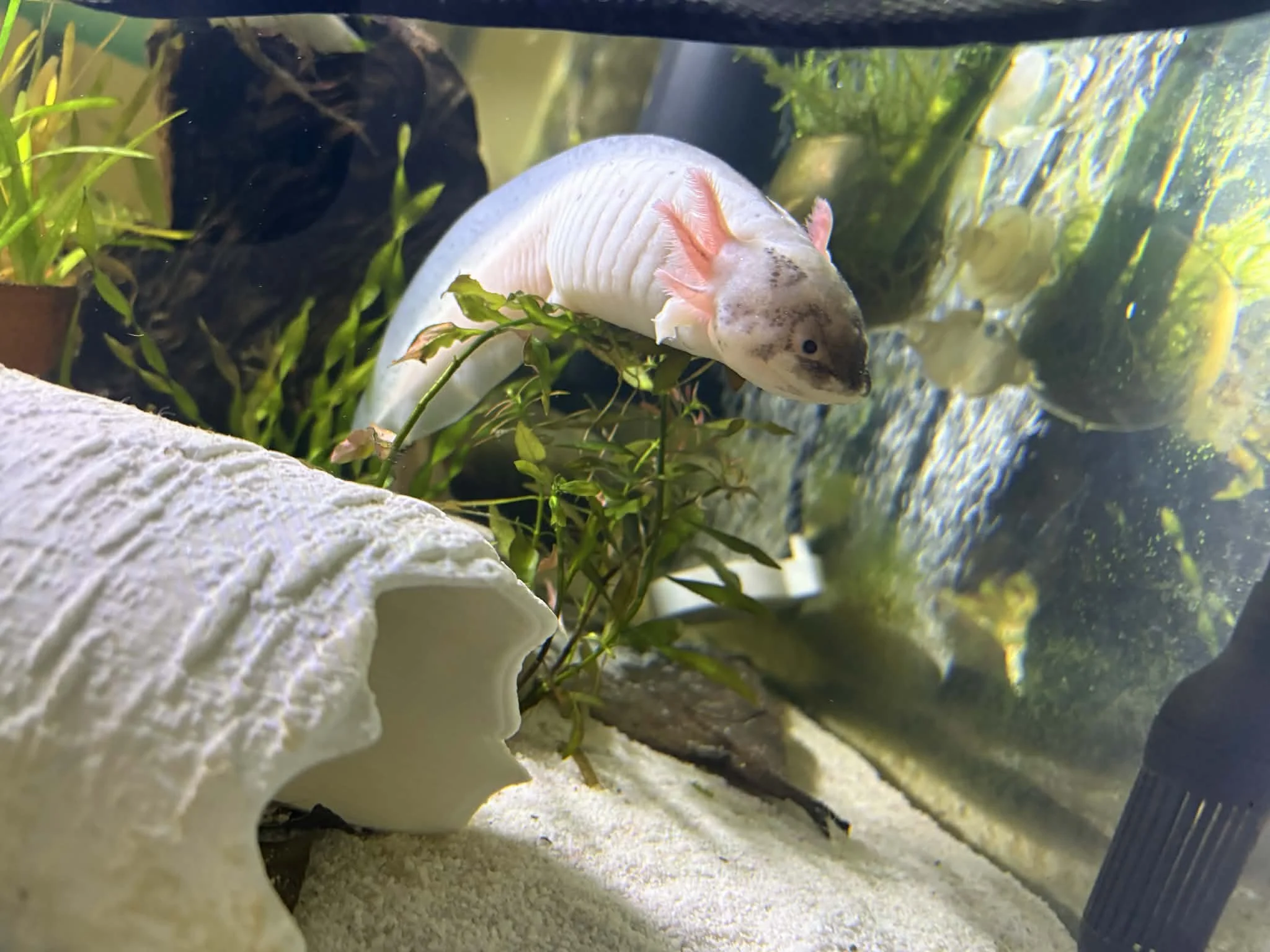
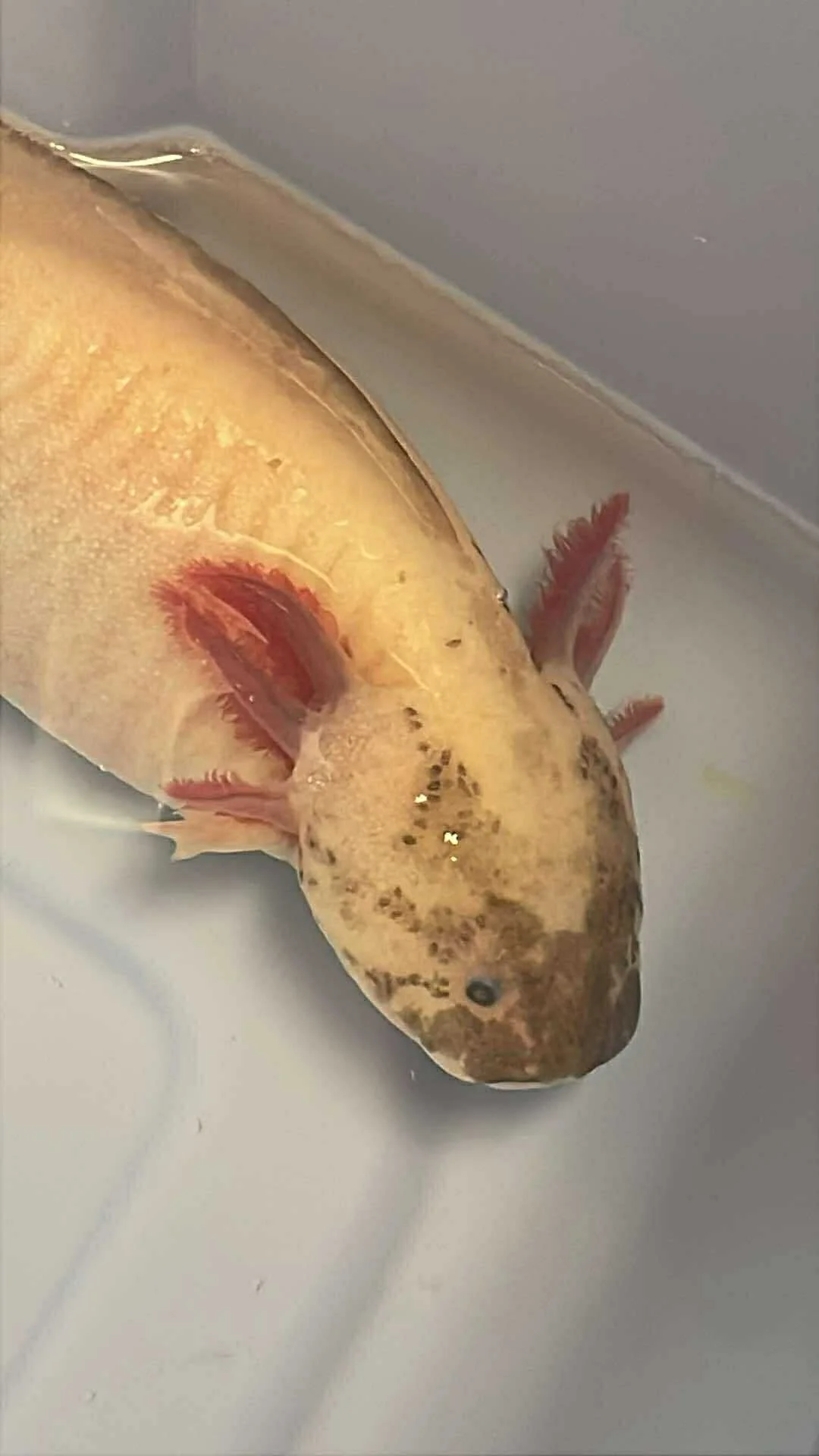
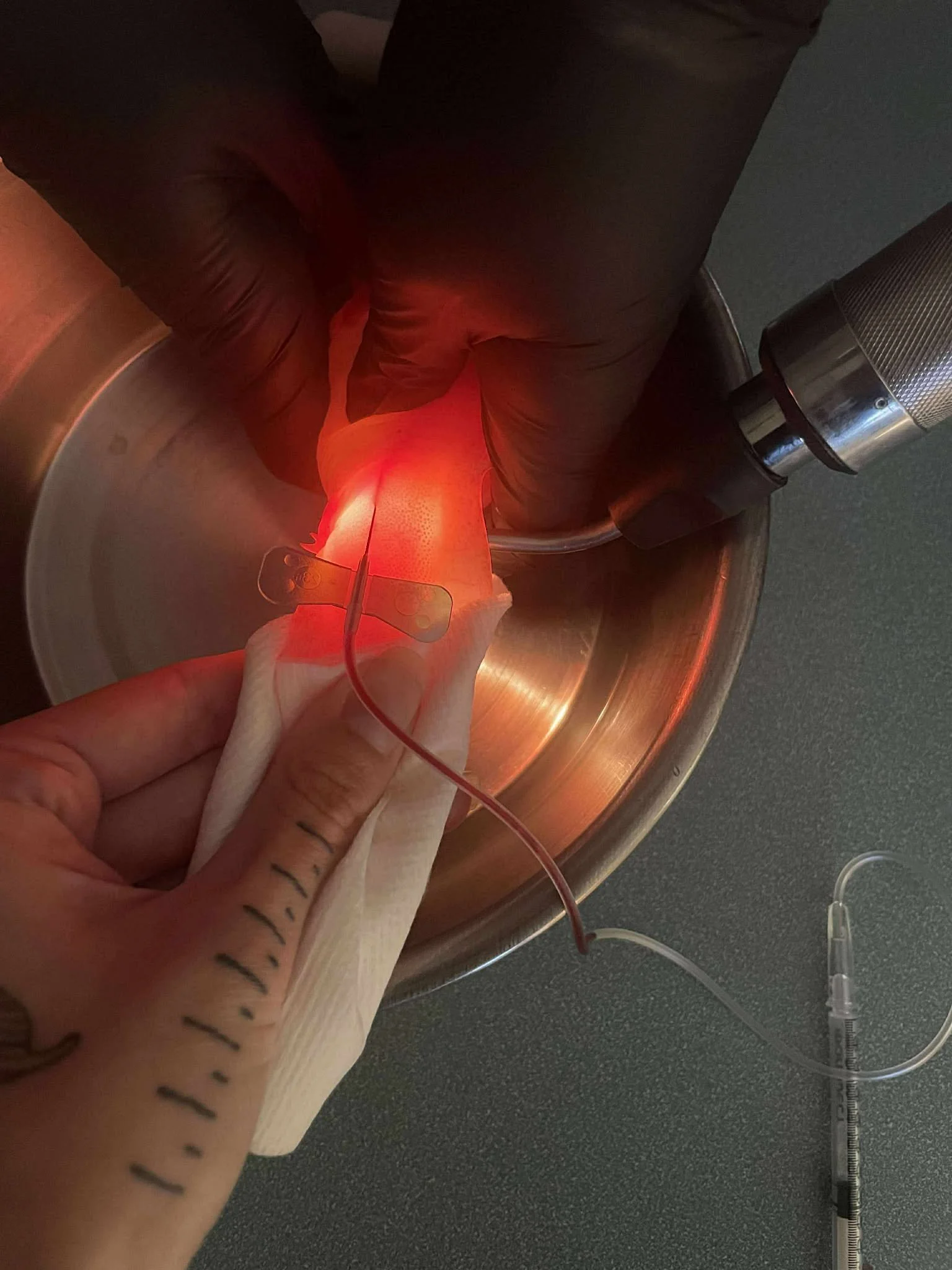
Violet — Sibling with limb malformations and ultrasound‑confirmed ascites; euthanized after veterinary consultation to prevent further suffering.
If you find or own an affected axolotl
Do not breed the animal.
Contact an exotic‑animal veterinarian immediately for diagnosis and prognosis.
If you cannot care for the animal, contact our rescue for intake or rehoming options; we will follow veterinary recommendations regarding humane care or euthanasia.
Do not attempt home medical procedures.
Sources and contact
Sources
https://www.researchgate.net/publication/21546694_The_mutant_axolotl_Short_toes_exhibits_impaired_limb_regeneration_and_abnormal_basement_membrane_formation
https://pmc.ncbi.nlm.nih.gov/articles/PMC49320/
Contact
If you have an axolotl you suspect is affected, please contact our rescue at surrenders@libertylandaxolotlrescue.org or consult an exotic‑animal veterinarian. When contacting the rescue, include photos, age, origin (breeder or otherwise) and any recent veterinary records if available.
