Worms for Axolotls: Nutrition, Care, and DIY Farms
Worms aren’t just squirmy critters — they’re one of the healthiest staple foods for axolotls, providing protein, fat, and minerals that keep them thriving.
Nutrition is vital for every critter, and axolotls are no exception! In this guide, we’ll explore the most common worm varieties used as staple foods, plus how to keep them alive and thriving until mealtime.
What Worms Can Axolotls Eat as Staples?
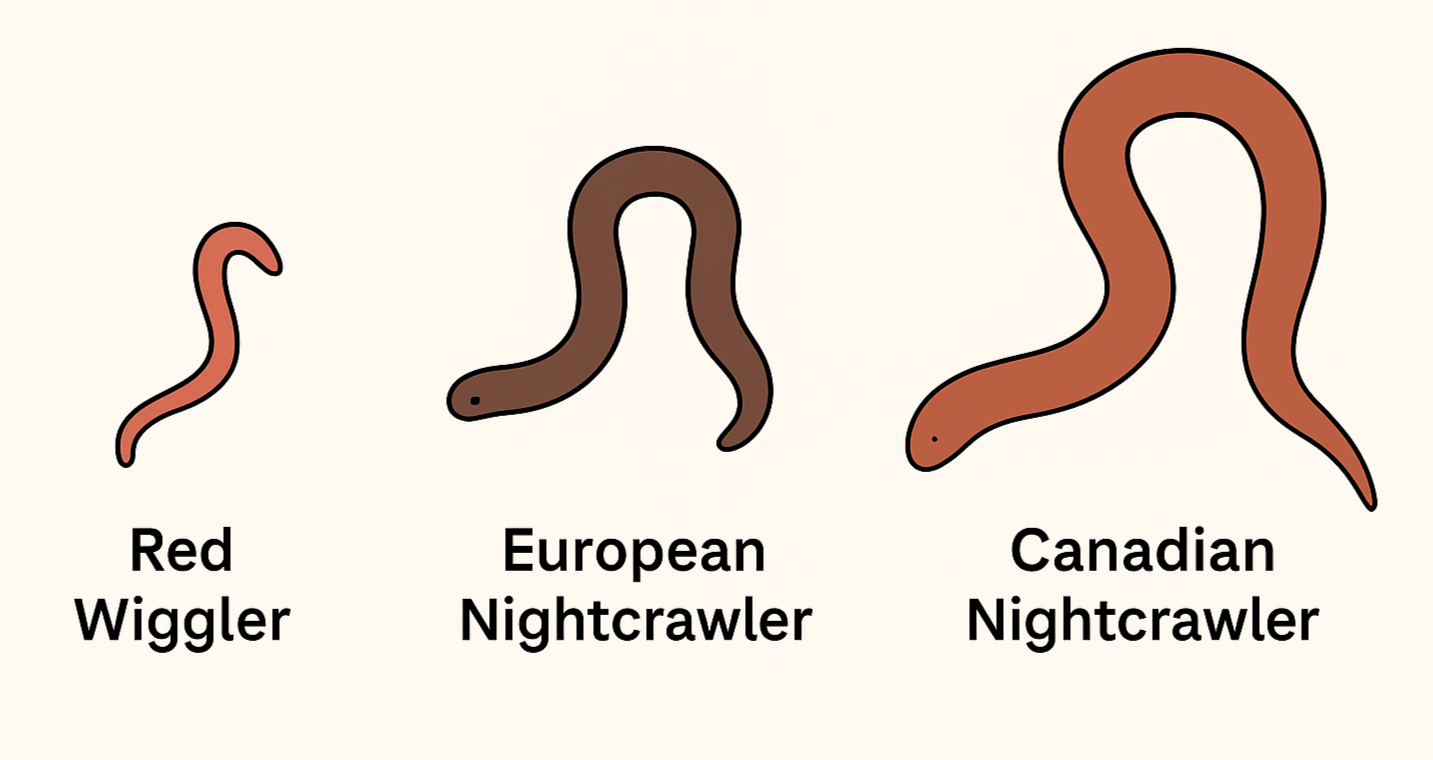
There are three worm types often offered to axolotls as a staple food. These include red wigglers, European nightcrawlers, and Canadian nightcrawlers. All three are fine to feed as a staple food from a nutritional standpoint, however the care requirements (as well as their nutritional makeup) for the worms vary. Below is a breakdown of each variety, and a helpful chart you can download for reference!
Red wigglers (composting worms)
Small, thin, reddish-brown bodies
Commonly used for composting
Do not require refrigeration
Release a bitter-tasting slime when threatened (sometimes when being eaten)
Nutritional breakdown:
11% crude protein
2% crude fat
84% moisture
Rich in amino acids and minerals
European Nightcrawlers (ENCs)
Medium-sized, brownish worms
Prefer cooler room temperatures (no refrigeration needed)
Nutritional breakdown:
65% crude protein
14% crude fat
13% carbohydrates
High in amino acids and minerals
Canadian Nightcrawlers (CNCs, Canadians)
Large, thick, reddish-brown worms
Must be stored in the refrigerator
Often need to be cut in halves before feeding
Nutritional breakdown:
65% crude protein
14% crude fat
14% carbohydrates
Mineral-rich

If you feed worms bought in small containers from the store, place the whole sealed container into the refrigerator. These worms bought in the stores are most often Canadian nightcrawlers, and require cooler temperatures than other worm varieties (so the fridge is a lovely place for them!). If you think the container is going to last you a fair amount of time before being used up, add some food for those worms!
Worm Farm Setup
You can buy pre-made worm farm kits (often with worms included), or build your own DIY version.
DIY worm farm supplies:
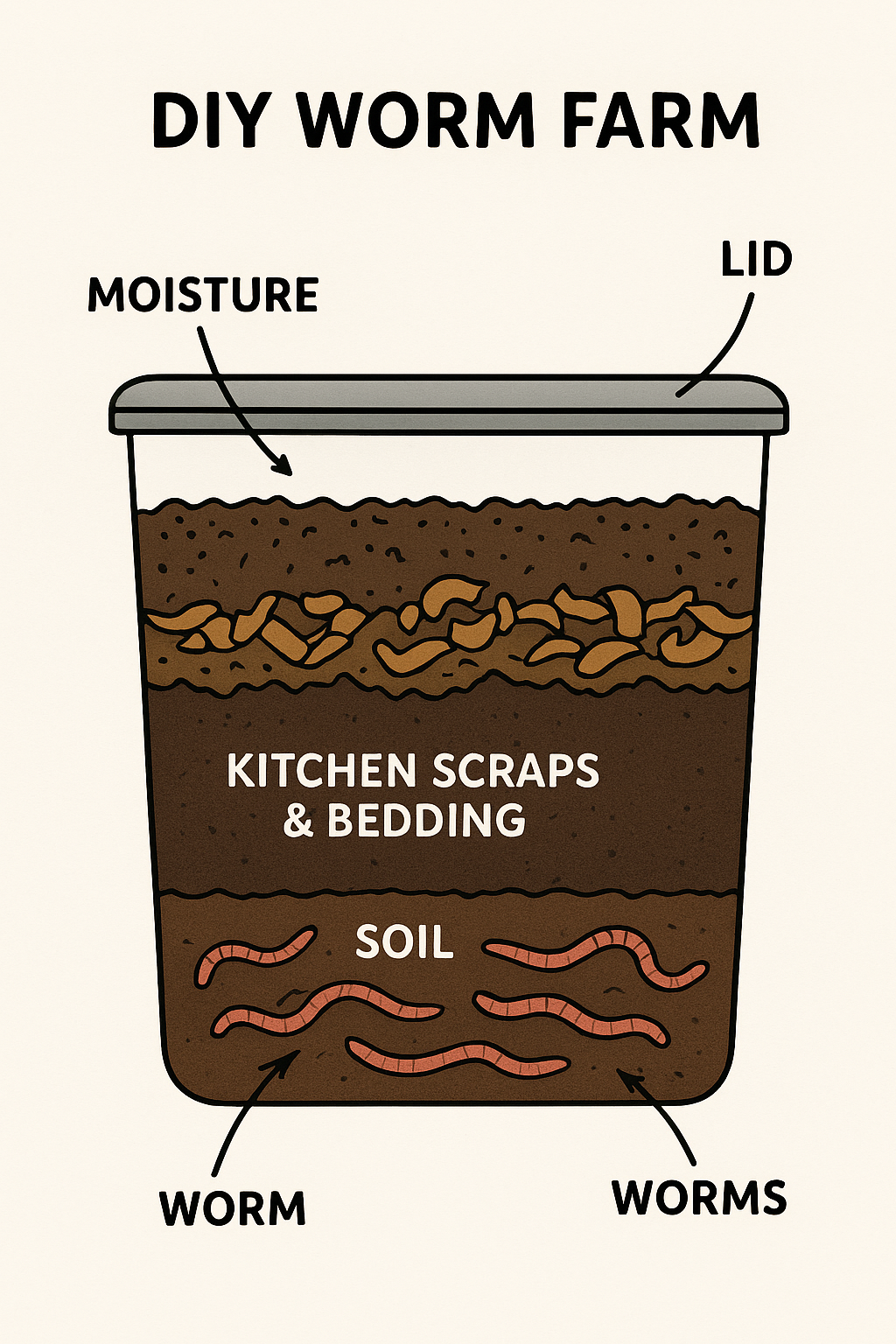
2 plastic totes (one with drainage holes)
A secure lid
Substrate such as coco coir (unfertilized dirt)
Worms and worm food
Assembly steps:
Place the drainage tote inside the solid tote.
Fill the inner tote with damp (not soaked) coco coir.
Add worms and a small amount of food. With time, you’ll have a sustainable food supply for your axolotls!
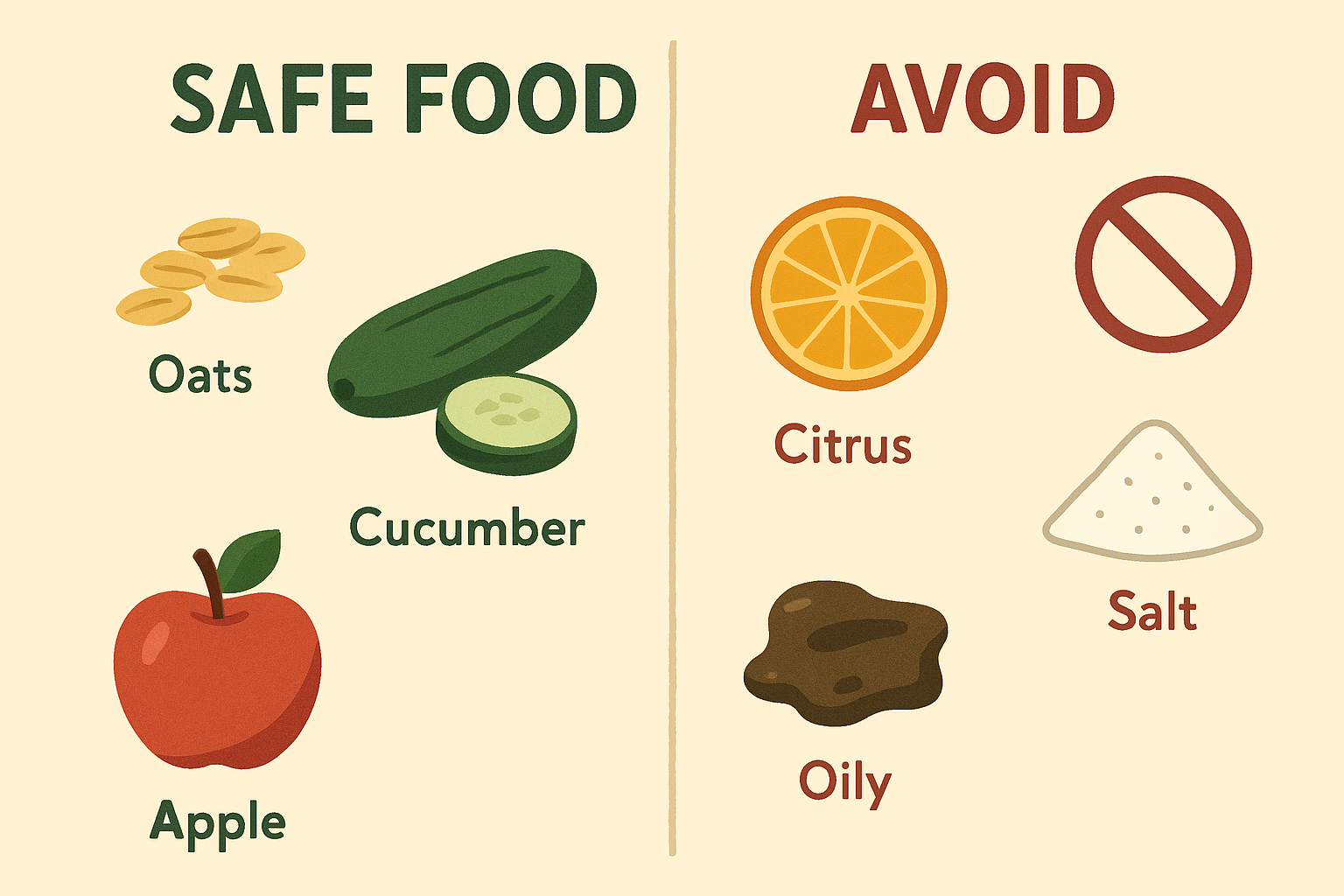
To maintain the farm, worms need consistent food and moisture. Keep the soil damp (not dry or soggy), and replace it periodically for quality. Below are some food do’s and don’ts to keep in mind for feeding your farm:
Avoid feeding worms:
Citrus
Salty foods
Oily foods
Cooked or baked foods
High-protein items
Safe foods for worms include:
Paper scraps
Oats
Vegetables (cucumbers, carrots, etc.)
Non-citrus fruits (apples, bananas, etc.)
Worms are one of the most nutritious and sustainable staple foods you can offer your axolotl, and with a little preparation, they’re easy to keep on hand. Whether you choose red wigglers, European nightcrawlers, or Canadian nightcrawlers, each variety brings its own benefits and care needs. Setting up a simple worm farm not only ensures a steady food supply but also helps you provide the freshest, healthiest meals possible. By maintaining the right conditions and offering safe foods, you’ll keep your worms thriving — and in turn, keep your axolotls happy, healthy, and well-fed.
