Axolotl Deworming Guide: Identifying and treating common parasites
Guide by: Cora Hanlin
Presented by Libertyland Axolotl Rescue
Axolotls commonly consume live foods — earthworms as a staple, and fish or shrimp as occasional treats. While nutritious, live foods can introduce parasites, making routine screening and deworming an important part of responsible husbandry.
This guide explains the types of parasites axolotls can acquire, how to recognize symptoms, how routine deworming works, and how to reduce exposure risks.
Important: If an axolotl is distressed, deteriorating, or showing severe clinical signs, a veterinarian should be consulted. This guide is for educational purposes and supports routine deworming, not diagnosis of advanced disease.
How do I know if my axolotl has parasites?
Parasitic infections often present with:
Weight loss (rapid or gradual, even while eating)
Behavior changes such as sluggishness or altered appetite
Gill deterioration (loss of filaments, inflammation, necrosis)
Skin changes including cloudiness, peeling slime coat, blisters, or inflammation
Edema
Stress signs such as curled gills or a curled tail tip
A veterinarian can perform fecal exams, skin/gill smears, and microscopic identification to confirm whether your axolotl has parasites and determine the exact type of parasite(s).
Types of parasites axolotls Can acquire
Axolotls may acquire both endoparasites (internal) and ectoparasites (external). We’ve broken these parasites down into four groups: arthropods, protozoa, nematodes, and flagellates.
Arthropods
Rare, typically introduced through pond fish, wild-caught feeders, or contaminated plants.
Fish lice (Argulus spp.)
Anchor worms (Lernea spp.)
Anchor deeply into tissue
Cannot be removed safely at home
Require veterinary removal
Gill lice (Ergasilus spp.)
Cause gill inflammation and necrosis
Copepods
Diagnosed microscopically
Cause lamellar damage and epithelial loss
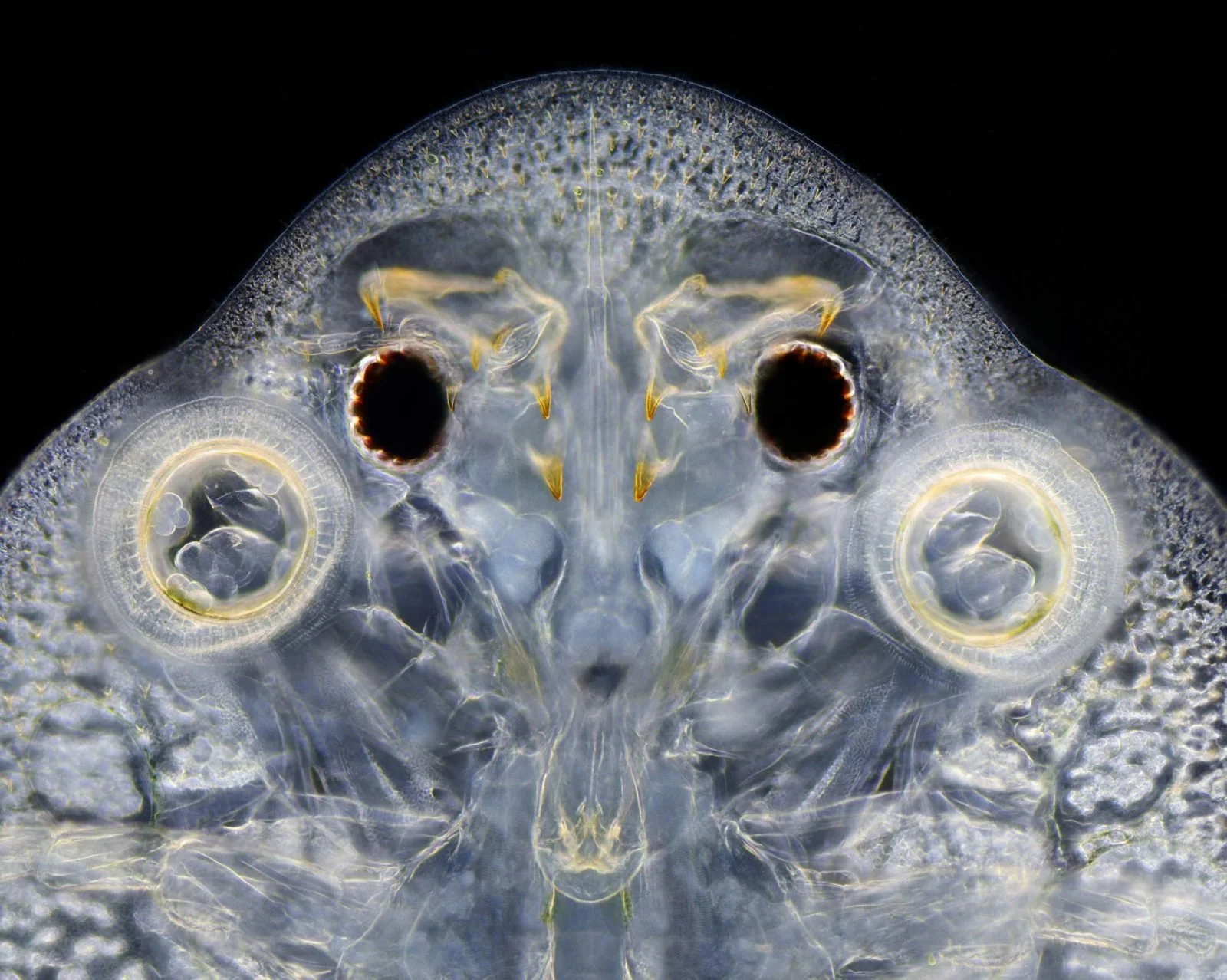
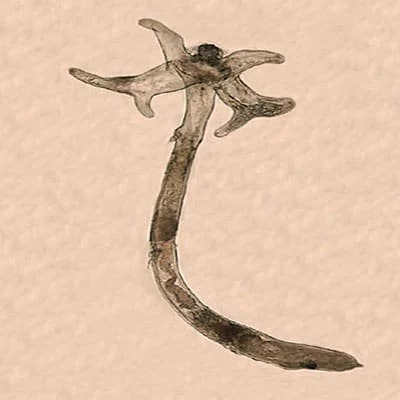
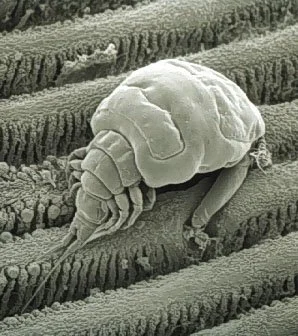
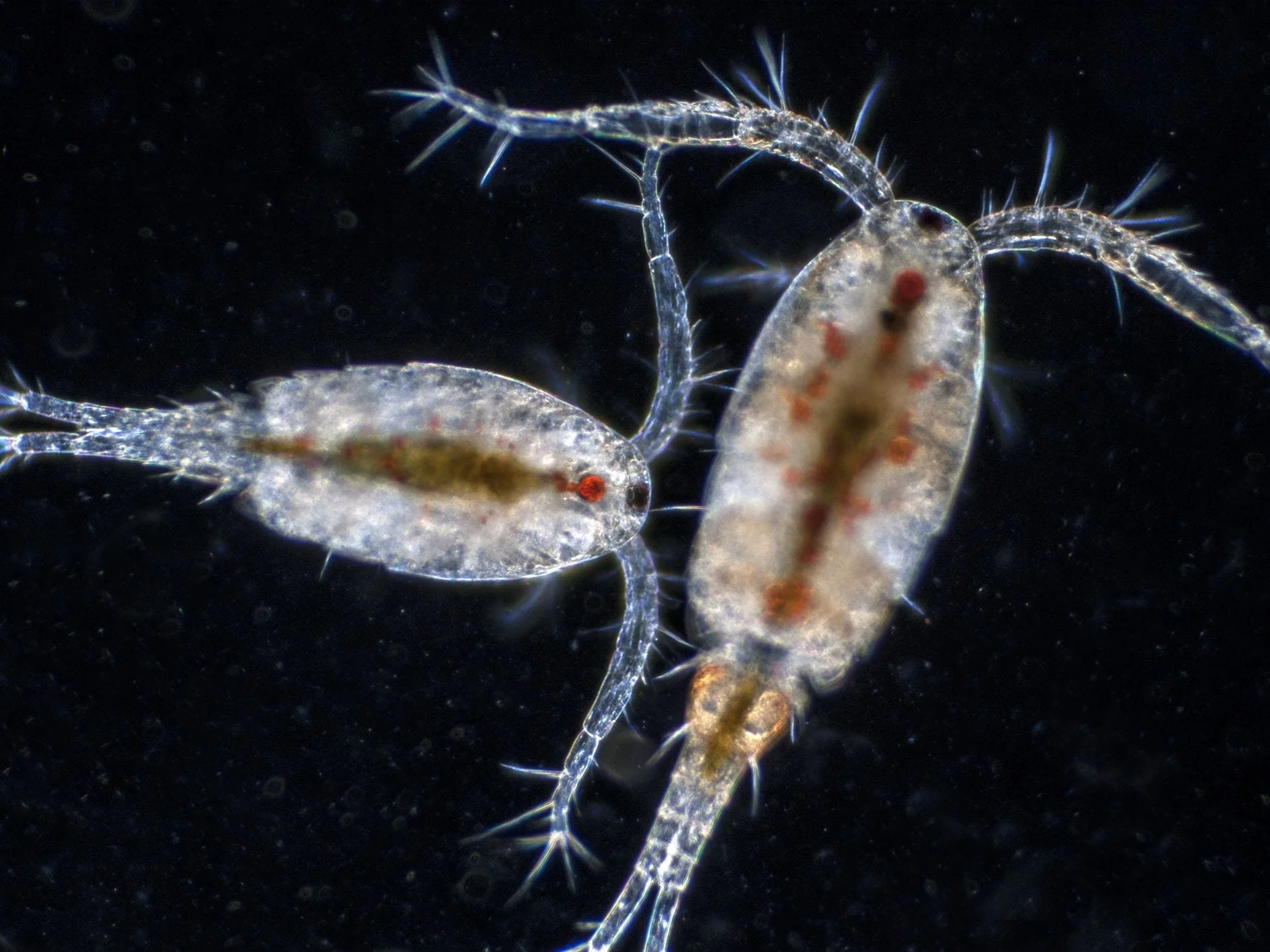
Protozoa
Common in overcrowded or poor water quality environments.
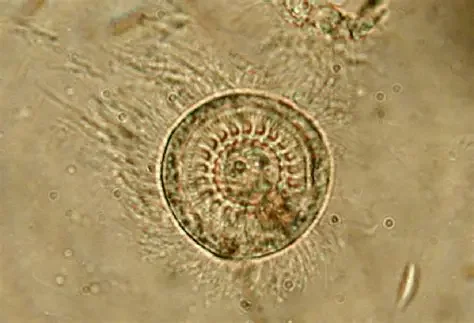
Trichodina
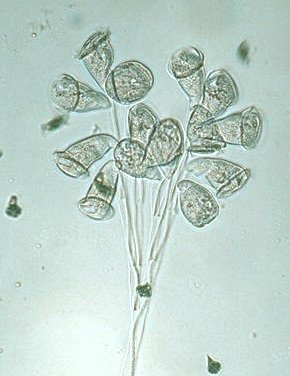
Vorticella
Carchesium
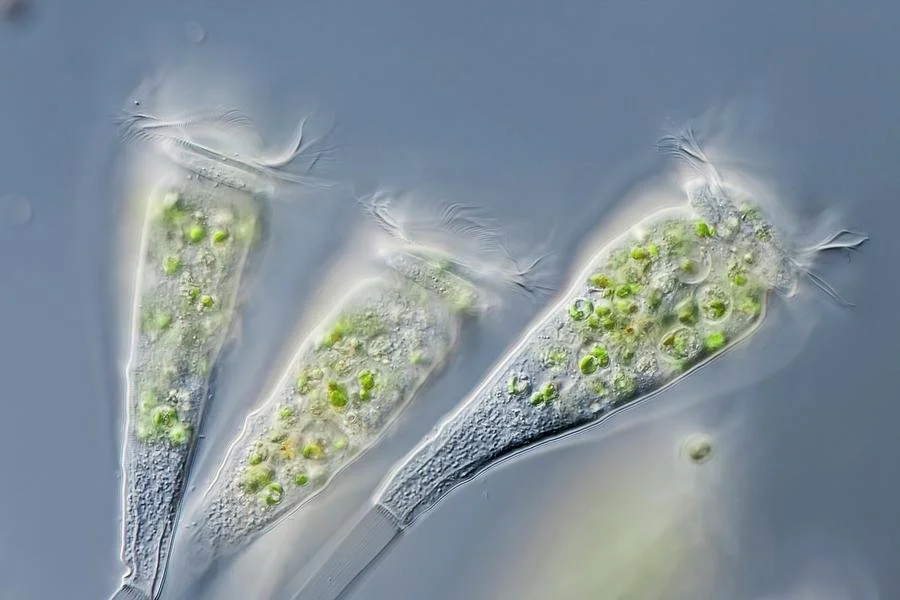
Epistylis
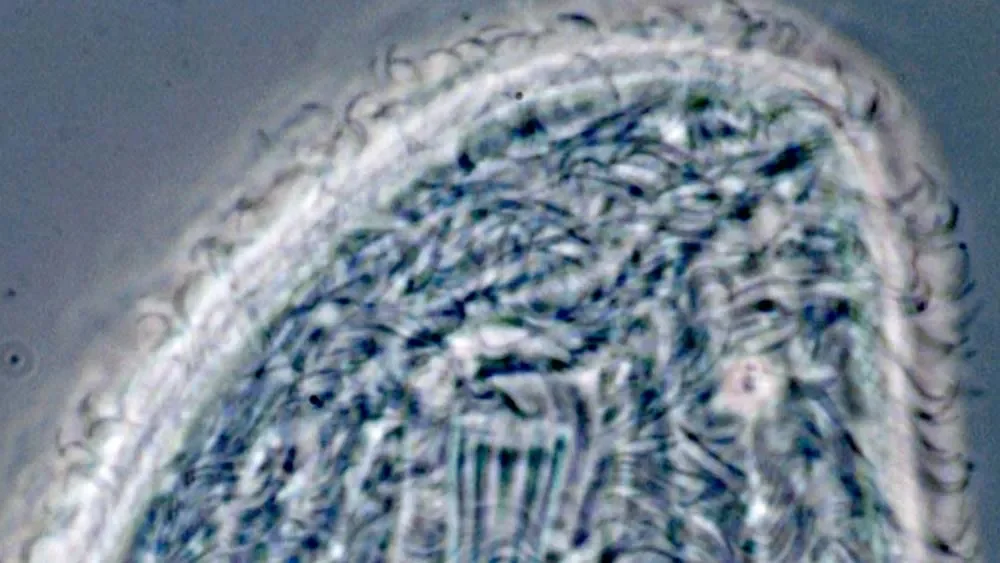
Chilodonella
Clinical signs include cloudy skin, increased shedding, plaque formation, gill inflammation, necrosis, apathy, and reduced appetite. Diagnosis is performed via gill or skin smear. Methylene blue may assist in treating ciliate infections.

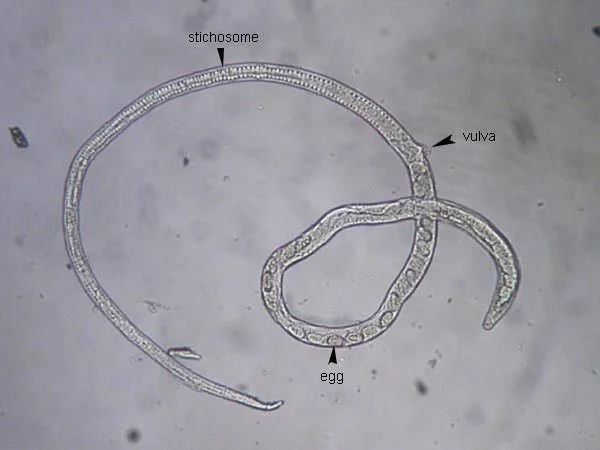
Capillaria (nematode)
Nematodes (Capillaria)
Cause emaciation despite eating
May cause abdominal swelling
White worms may appear in stool
Common when axolotls consume live foods from questionable sources

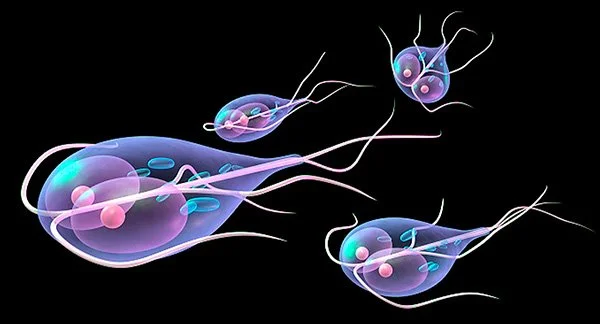
Flagellates
Spironucleus
Lives in the intestine
Causes necrotizing inflammation and malabsorption
Karotomorpha
Infects the large intestine
Often secondary to another illness
Parasites axolotls Do Not acquire
Axolotls cannot be infected by:
Ich (Ichthyophthirius multifiliis)**
Specialized to bony fish; axolotl skin is not a viable host
Velvet (Piscinoodinium)**
Also fish‑specific
Marine parasites
Axolotls are freshwater; marine parasites cannot survive
Host‑specific flukes
Many flukes cannot infect amphibians
How do I deworm my axolotl?
Two medications are commonly used for axolotl deworming:
Praziquantel (Prazipro) Targets flukes, tapeworms, flatworms, and turbellarians
Levamisole (Expel_P) Targets nematodes and roundworms
Axolotls offered live foods should be dewormed at least once a year, but ideally every 6 months.
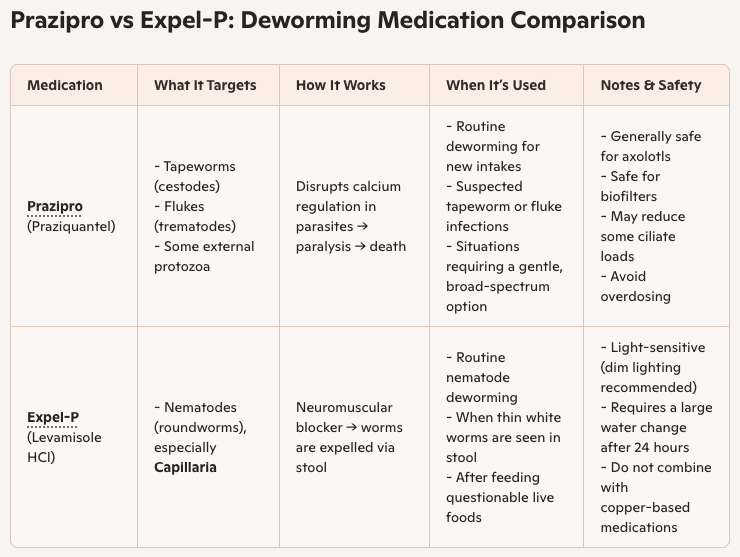
This table summarizes the differences between Praziquantel and Levamisole, the two most commonly used deworming tools in the axolotl hobby.
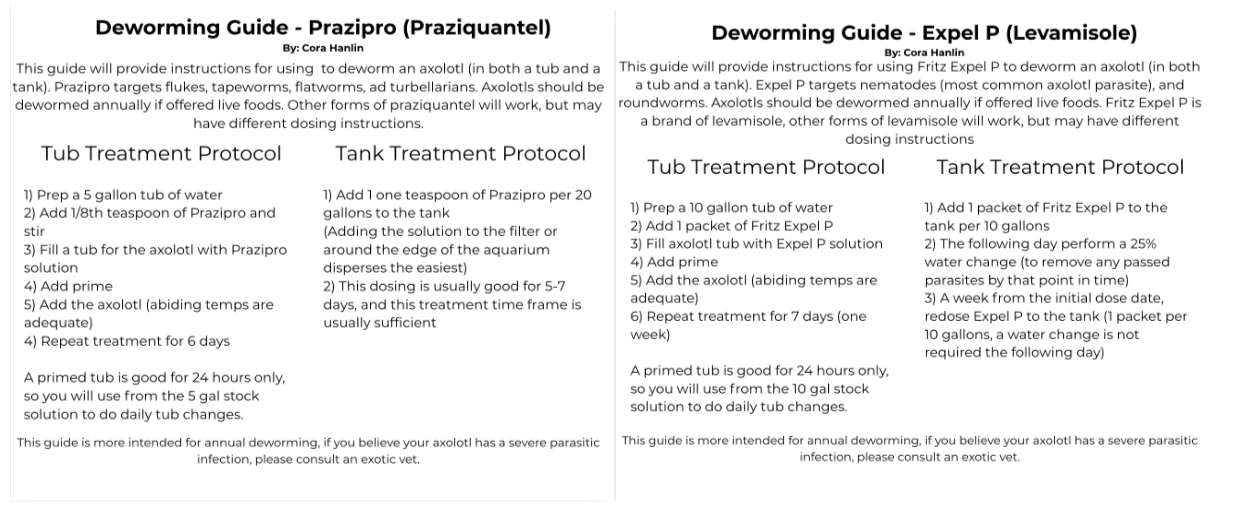
The guides above give step-by-step instructions for the processes we use for deworming axolotls here at the rescue, either using Fritz Expel-p or Hikari PraziPro. We’ve included instructions for deworming both in a tub or in your axolotl’s tank. Deworming in the tank should not impact your nitrogen cycle, but it is important to follow-through with all recommended water changes. It’s important to deworm your axolotls at least once every 6 months.
How to Reduce Parasite Exposure
1. Use Safe, Clean Food Sources
Earthworms should be store‑bought, not wild‑collected. Wild worms travel long distances and may carry parasites, pesticides, or pathogens. (Learn more about the risks of feeding wild-caught worms here).
2. Quarantine Live Feeders
Any fish or shrimp used as feeders must be home‑bred or quarantined for 30 days. (Learn more about safe feeders here.)
3. Avoid Unsafe Products
Do not use:
Malachite green
Copper‑based medications
Tetracycline
Any in‑tank treatments other than Holtfreter’s solution (learn more about Holtfreter’s solution here)
How you can help
Share this Guide
Accurate information prevents harmful treatments and keeps axolotls safe. Sharing this guide helps other keepers avoid misinformation and recognize early signs of parasitic infection.
Sources
Mutschmann, F. (2015). Parasite Infestation in the Axolotl (Ambystoma mexicanum): Recognition and Therapy. Journal of Herpetological Medicine and Surgery, 60(9), 461–472. Loh, R. (2015). Common Disease Conditions in Axolotls. WSAVA World Congress Proceedings. Baker, B. et al. (2019). Management of Multiple Protozoan Ectoparasites in a Research Colony of Axolotls. JAALAS. Divers, S. J., & Stahl, S. J. (2019). Mader’s Reptile and Amphibian Medicine and Surgery (3rd ed.). Elsevier.
Please remember: This guide is meant for general education and does not replace exotic veterinary care. If your axolotl is struggling or declining, reach out to your nearest exotic vet as soon as possible.
