Maddie’s Healing Journey: A Story of hope and resilience
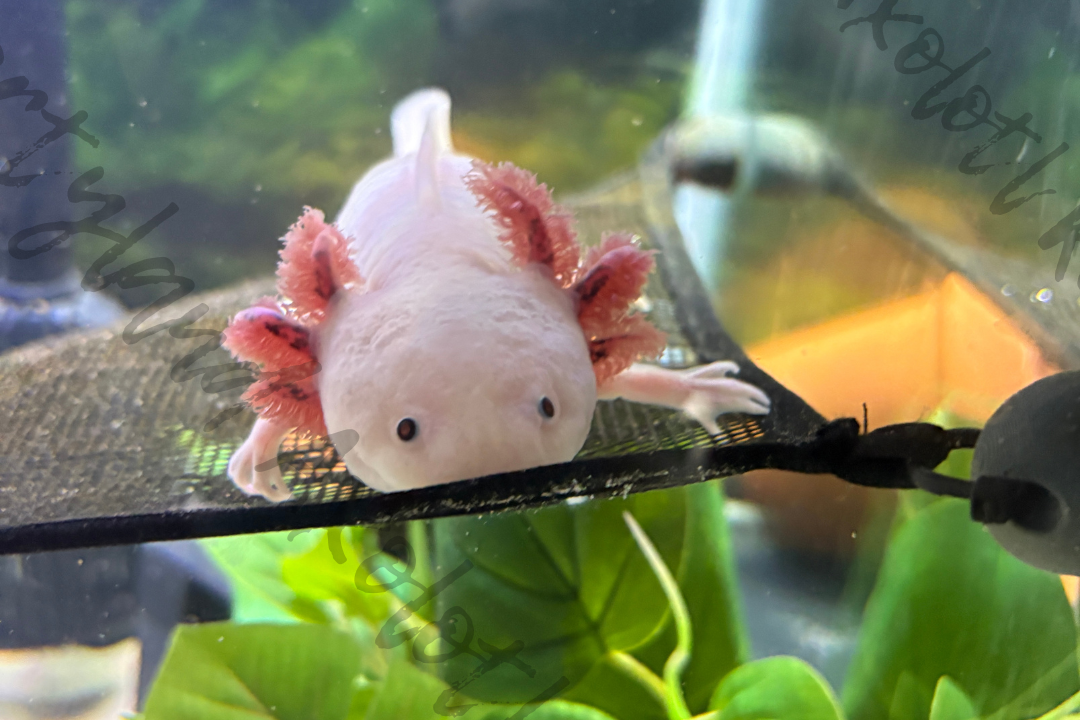
When Maddie arrived at Libertyland Axolotl Rescue, she was in critical condition. She had swallowed two glass beads—an accident that caused significant internal stress and led to a prolapse. She was uncomfortable, lethargic, and in need of immediate supportive care.
Several months earlier, a little girl—also named Maddie—held a fundraiser for our rescue. We had earmarked her donation for something special. When this axolotl arrived in crisis, we knew exactly where those funds needed to go. In honor of the child who helped make her care possible, we gave this axolotl the name Maddie.
Sophia, one of our vet‑tech Medical Fosters, stepped in to provide the intensive care Maddie needed during her stabilization period.
Days 0–5: Intake, Stabilization, and Pre‑Surgical Care
Maddie was not stable enough for surgery on arrival. Radiographs confirmed the two beads lodged in her digestive tract, and the prolapse made the situation urgent but also delicate. Immediate surgery would have been unsafe without first stabilizing her.
Under Sophia’s care, Maddie received:
temperature‑controlled housing
daily medical monitoring
supportive feeding
water quality management
prolapse stabilization
stress reduction and environmental control
These first days were critical. Maddie slowly regained strength, her vitals stabilized, and she became strong enough to safely undergo anesthesia.


Day 6: Surgery
Once Maddie was stable, our medical director, Dr. Stella, performed the surgery to remove both beads and address the prolapsed tissue. Axolotl surgery requires precision—temperature control, anesthesia management, and gentle tissue handling are all essential.
Maddie tolerated the procedure exceptionally well. Her incision was clean, her tissue was viable, and she recovered smoothly from anesthesia.
The beads removed during surgery became a tangible reminder of what she survived—and of the generosity that made her care possible.


Days 7–10 Post‑Op: Early Healing
After surgery, Maddie returned to Sophia’s care for round‑the‑clock monitoring. During this period she received:
temperature‑controlled housing
daily post‑op checks
supportive feeding
water quality management
wound and prolapse site assessments
Her appetite returned quickly, and she began showing early signs of comfortable movement and curiosity.


Days 11–16 Post‑Op: Continued Recovery
By this stage, Maddie’s incision was closing beautifully. The prolapse site remained stable with no signs of inflammation or infection. Her energy levels improved, and she began exploring her tub more confidently.
Her scar began to form—an expected outcome for a surgery of this depth. While axolotls are known for their regenerative abilities, they are not immune to scarring, especially when deep tissue or surgical intervention is involved.
Day 17+: Full Recovery
Maddie’s incision was fully sealed, her tissue was healthy, and her behavior returned to normal. She was eating reliably, maintaining weight, and showing no signs of discomfort.
At her final medical check, she was officially cleared as healed.
Her scar remained visible—a lasting reminder of everything she survived.


Adoption and New Beginnings
Once Maddie was fully healed and medically cleared, she was adopted into a loving, experienced home. Her fundraiser has been closed, and her story now lives on as part of our medical archives—an example of why responsible care, early intervention, and community support matter so deeply.
Where She Is Now
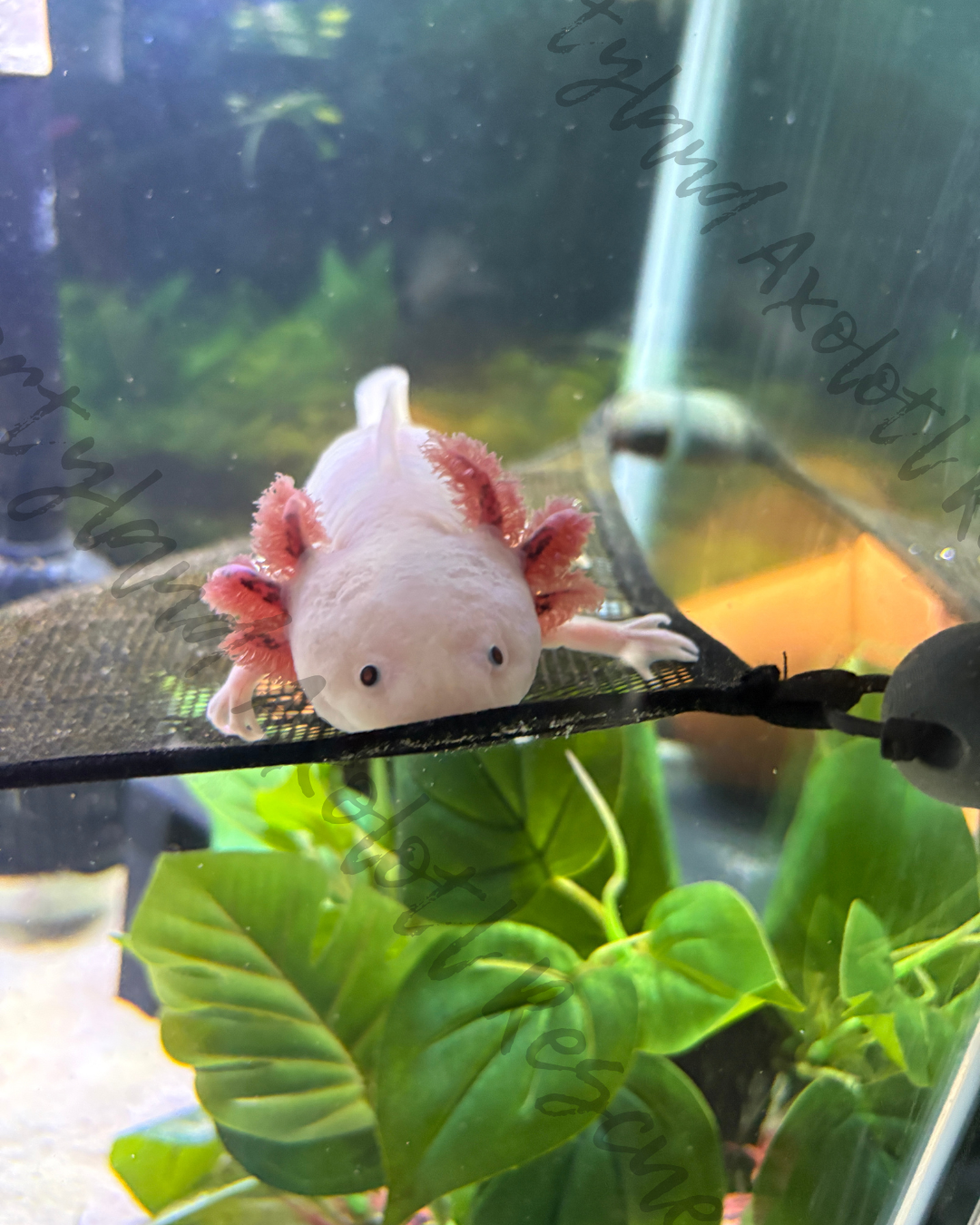
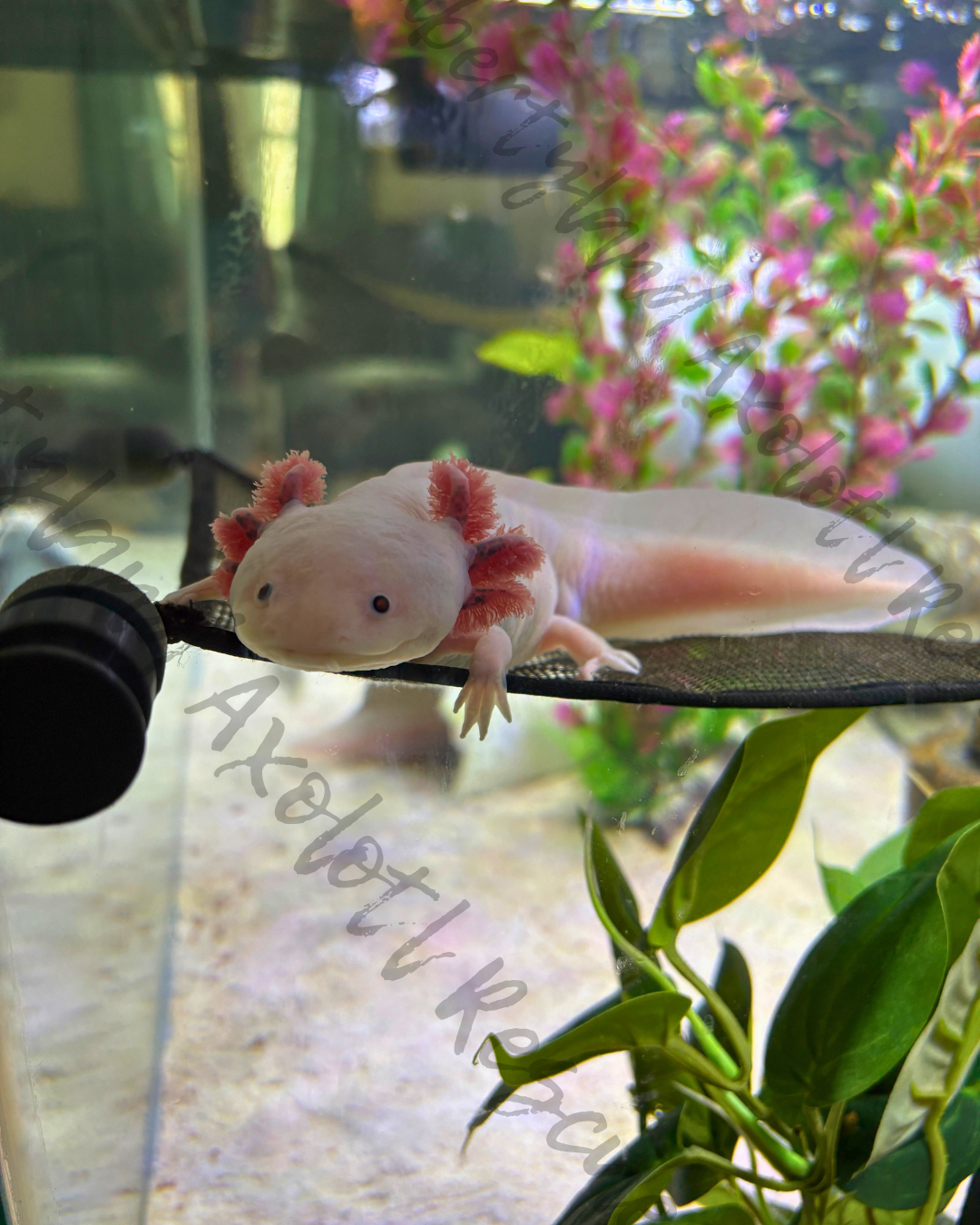
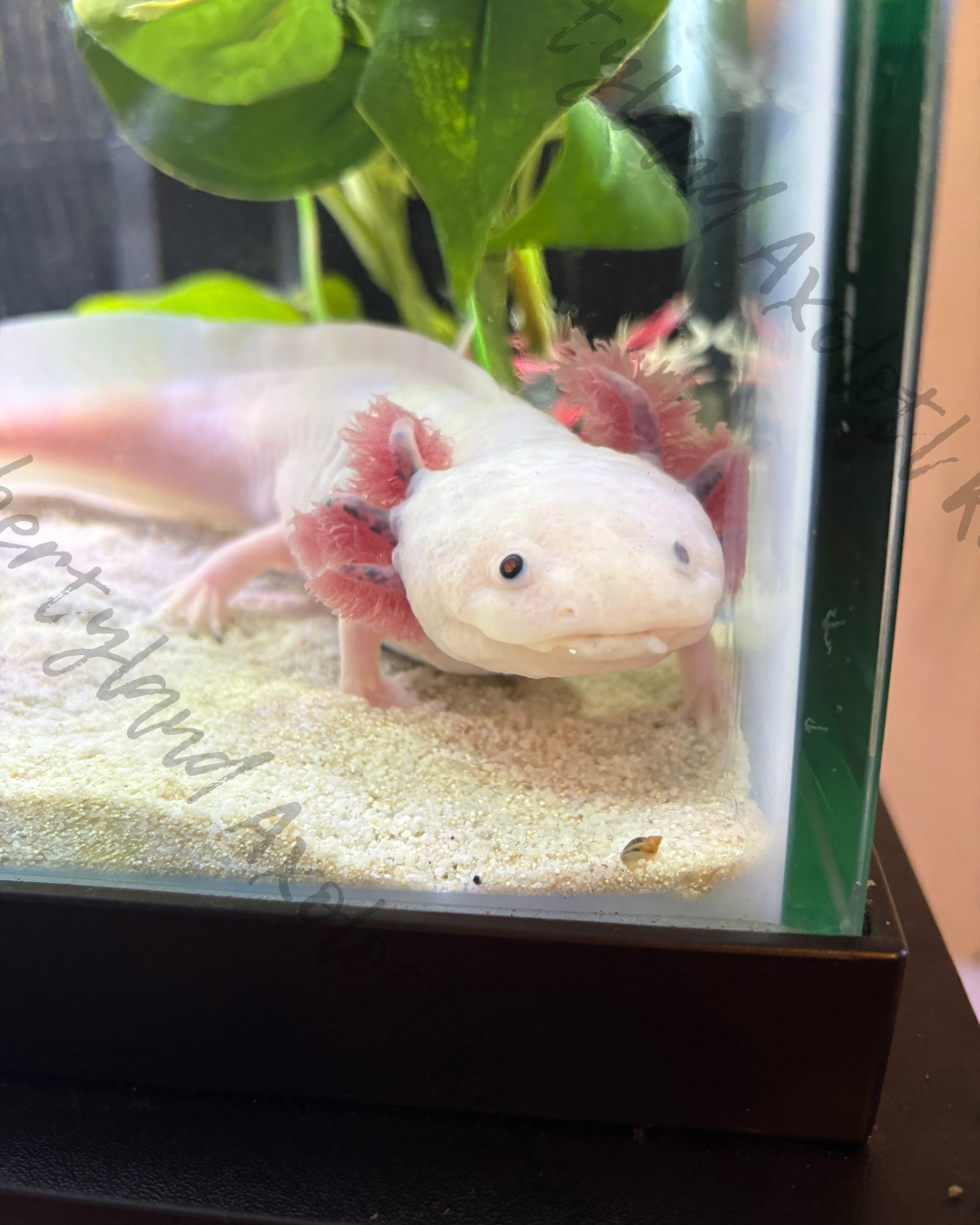
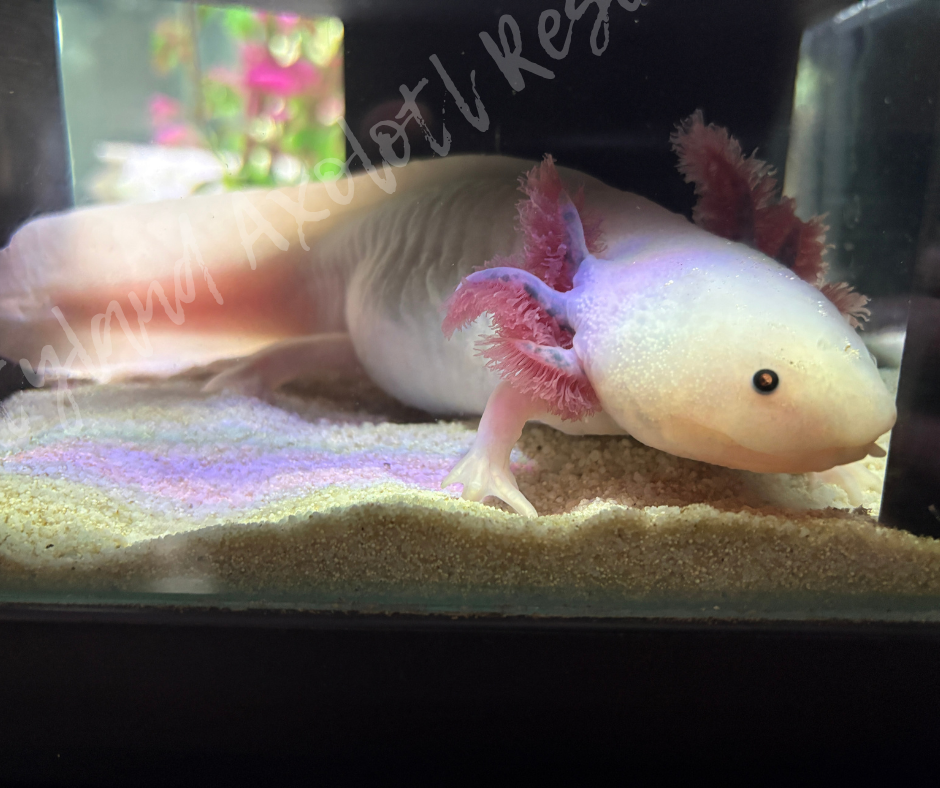
Maddie is thriving in her forever home. Her scar has softened but remains visible, a testament to her resilience and the care she received.
Here are some recent photos of Maddie living her best life:
Why Maddie’s Story Matters
Every rescue case teaches us something. Maddie’s journey reinforces the importance of:
safe tank décor
avoiding small or swallowable objects
early intervention
proper medical care
understanding how axolotl bodies heal
the power of community support
Her story continues to help us educate new keepers, support struggling owners, and advocate for better welfare across the hobby.
