National Endangered Species Day: The Science Behind Axolotl Decline and Why It Matters
Axolotls are one of the most iconic amphibians in the world, yet in the wild they are approaching ecological collapse. On National Endangered Species Day, we’re taking a closer look at the science behind their decline, the pressures shaping their future, and why rescue organizations like Libertyland Axolotl Rescue play a meaningful role in the broader conservation landscape.
The axolotl’s critically endangered status: what the science shows
The International Union for Conservation of Nature (IUCN) lists axolotls as critically endangered, the highest risk category before extinction in the wild. Long‑term field surveys in the Xochimilco region have documented a dramatic population crash. In some survey years, researchers recorded fewer than one axolotl per square kilometer, a stark contrast to historical densities.
This decline is driven by several well‑documented ecological pressures:
Habitat loss from urban expansion in Mexico City
Water pollution from agricultural runoff and untreated wastewater
Invasive species such as tilapia and carp
Fragmentation of the canal system which isolates remaining populations
These pressures interact in ways that amplify risk. Pollution weakens immune systems. Invasive fish thrive in degraded water. Fragmentation prevents gene flow. The result is a species facing multiple simultaneous threats.
Why captive populations cannot replace wild ones, despite recent headlines
“Almost every captive axolotl alive today descends from a small founder population exported from Mexico in the 1800s.”
What the recent news stories actually mean
Several articles circulating this year suggested that captive axolotls might help “save the species” in the wild. Here’s the plain‑language version of what those stories were actually referring to:
Some labs have improved breeding protocols for research colonies.
Some conservation groups are studying genetic markers that could help identify traits important for survival.
Some articles highlighted community‑based conservation in Xochimilco and used photos of captive axolotls for visual appeal.
A few headlines implied that captive axolotls could be released, even though the articles themselves did not claim this.
The takeaway: These stories were about scientific research and habitat restoration, not about releasing pet axolotls into the wild. Captive axolotls are not candidates for reintroduction, and no conservation organization is planning to use them that way.
Over the past year, several news stories have suggested that captive axolotls could be used to “repopulate” the wild or that hobbyist breeding might support conservation. These stories often oversimplify or misunderstand the science. While they generate excitement, they also create misconceptions that can harm both conservation work and animal welfare.
Here’s what the research community actually agrees on:
1. Captive axolotls are genetically bottlenecked
We cannot stress this enough: Almost every captive axolotl alive today descends from a small founder population exported from Mexico to Europe, and shortly thereafter to the U.S., in the 1800s. This means they carry:
reduced genetic diversity
domesticated traits
hybridization from tiger salamanders in many lineages
mutations not present in wild populations
Releasing these animals into Xochimilco would not restore the species. It would genetically contaminate the remaining wild population.
2. Captive axolotls are not adapted to the modern Xochimilco ecosystem
Even if genetics were not an issue, captive axolotls lack the ecological adaptations needed to survive in today’s altered habitat. The wild environment now includes:
invasive predatory fish
higher pollutant loads
warmer, shallower, fragmented canals
reduced aquatic vegetation
The Xochimilco ecosystem:
why it matters
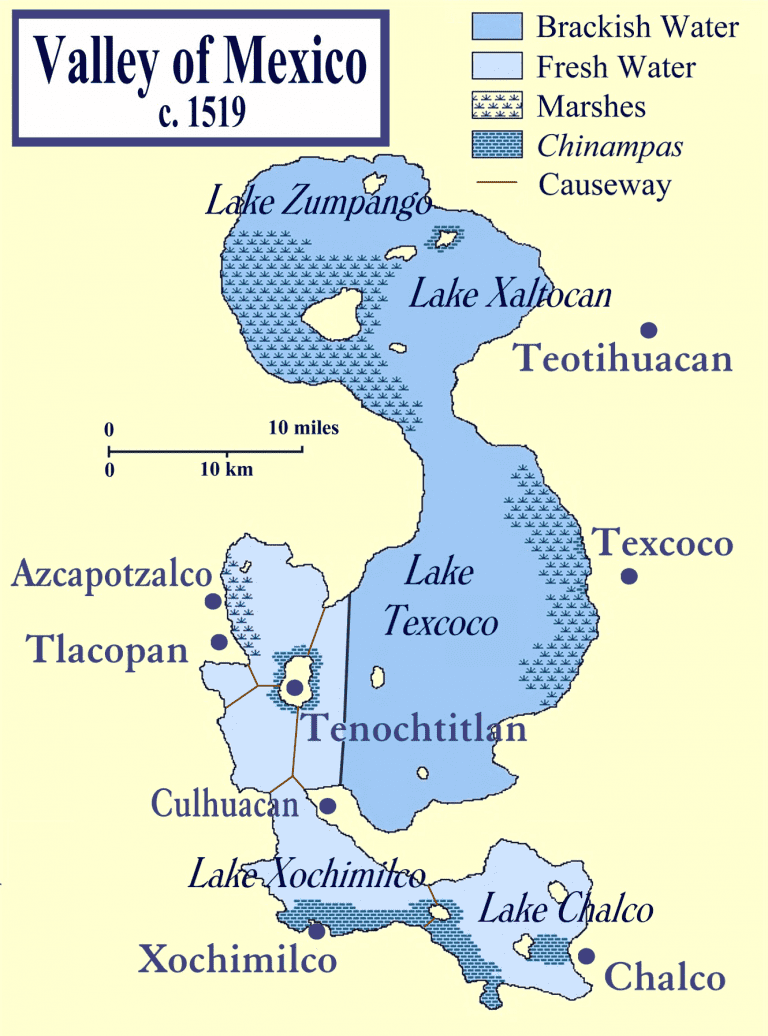
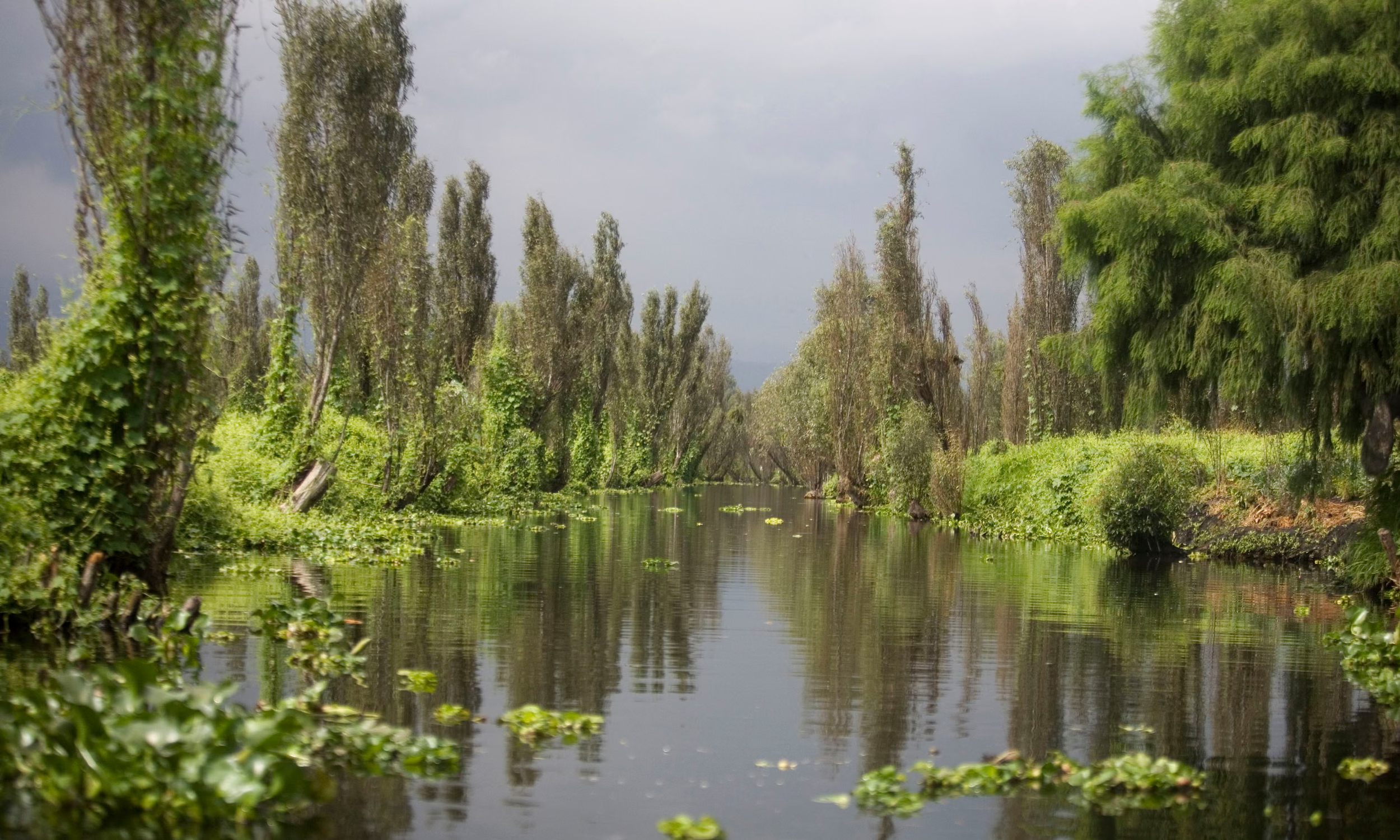
Xochimilco is not just a location. It is the evolutionary cradle of the axolotl. This high‑altitude wetland system once covered much of the Valley of Mexico and supported a complex network of canals, springs, and chinampas. Axolotls evolved in:
cool, stable, low‑flow freshwater
dense aquatic vegetation
high oxygen levels
abundant invertebrate prey
These conditions shaped their neotenic life cycle and their reliance on permanent aquatic environments.
Today, Xochimilco faces:
shrinking water volume
increased temperatures
invasive fish
agricultural runoff
habitat fragmentation
Understanding Xochimilco is essential to understanding axolotls. Without the ecosystem, the species cannot survive in the wild.
Captive axolotls raised in stable, filtered, predator‑free tanks cannot survive in a system that no longer resembles the environment their ancestors evolved in.
3. Conservation scientists are focused on habitat restoration, not captive release
Current conservation strategies prioritize:
chinampa‑based habitat restoration
water quality improvement
invasive species control
protected refuges within Xochimilco
community‑based stewardship
These interventions have shown measurable success. Captive release is not part of the plan because it is not biologically viable.
4. Headlines often blur the line between research and reintroduction
Some articles highlight laboratory breakthroughs, such as improved breeding protocols or genetic studies. These are valuable scientific advances, but they do not translate into “releasing pet axolotls into the wild.”
Research animals are tools for understanding development, regeneration, and genetics. Their role is scientific, not ecological.
5. Rescue‑level breeding is not conservation breeding
Rescues like LLAR work with surrendered, captive‑bred animals from the pet trade. These animals:
are not genetically suitable for reintroduction
are not part of any conservation breeding program
should never be bred for “conservation” purposes
Our mission is welfare, education, and reducing demand for mass breeding. That work supports conservation indirectly by improving public understanding and reducing the number of axolotls entering the trade.
How rescue work intersects with conservation science
Rescue work and field conservation may seem unrelated, but they are deeply connected. Rescues reduce demand for mass‑produced axolotls, which often originate from high‑volume breeding operations that prioritize quantity over genetic health. These operations contribute to misinformation, improper care, and a cycle of surrender that places pressure on rescues nationwide.
By adopting from rescues instead of purchasing from breeders, the public helps:
reduce the number of axolotls entering the pet trade
decrease accidental or irresponsible breeding
support organizations that prioritize education and welfare
strengthen community understanding of amphibian conservation
Every surrendered axolotl we rehabilitate represents a point of intervention in a system that often treats animals as disposable. Conservation is not only about protecting wild populations. It is also about changing human behavior.
How you can support axolotl conservation today
Support organizations working on habitat restoration in Xochimilco
Adopt from rescues instead of buying from mass breeders
Share accurate information about axolotl care and conservation
Advocate for responsible exotic pet ownership
Donate to amphibian conservation initiatives
Axolotls need more than admiration. They need informed allies who understand the science behind their decline and the urgency of protecting what remains of their habitat.
On National Endangered Species Day, we recommit to that mission. Conservation begins with knowledge, and knowledge begins with us.
