Remmy: The Old Soul and Distinguished Gentleman That Stole My Heart
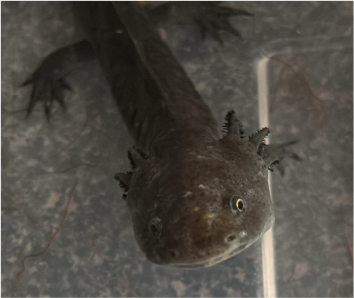
I picked up Remmy from his owner on February 17th. I comforted her while she cried and assured her we would do everything possible to help him.
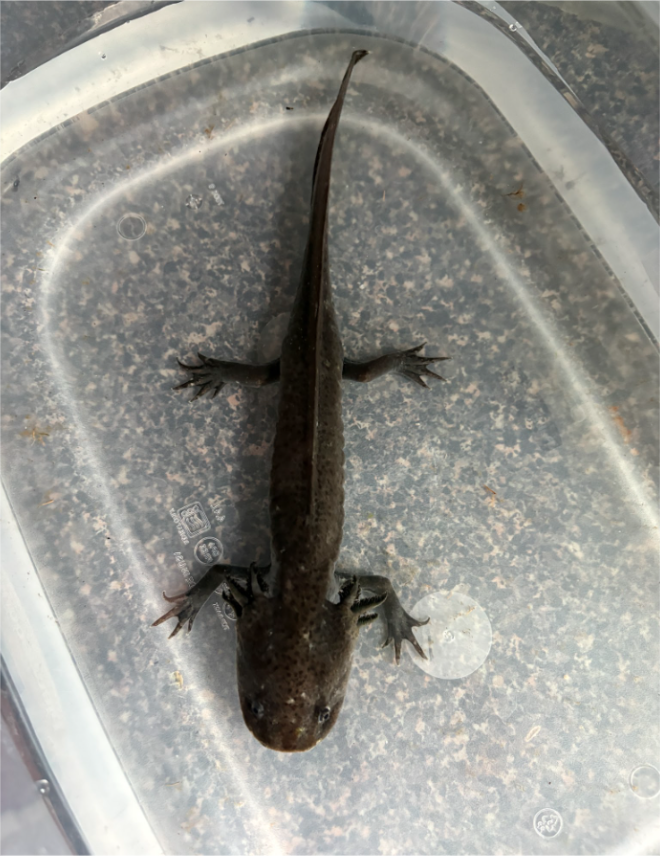
Remmy looked like a stick—a small, brittle twig. Even looking so thin and fragile, he was so friendly and came right over to say hi while I held the tub he was in for transfer.
Settling In and Early Concerns
I got him home and used his old water along with some new water to help him adjust slowly, as he was very fragile. Remmy gagged and tried to throw up with every water change. He enjoyed smelling food but refused to eat.
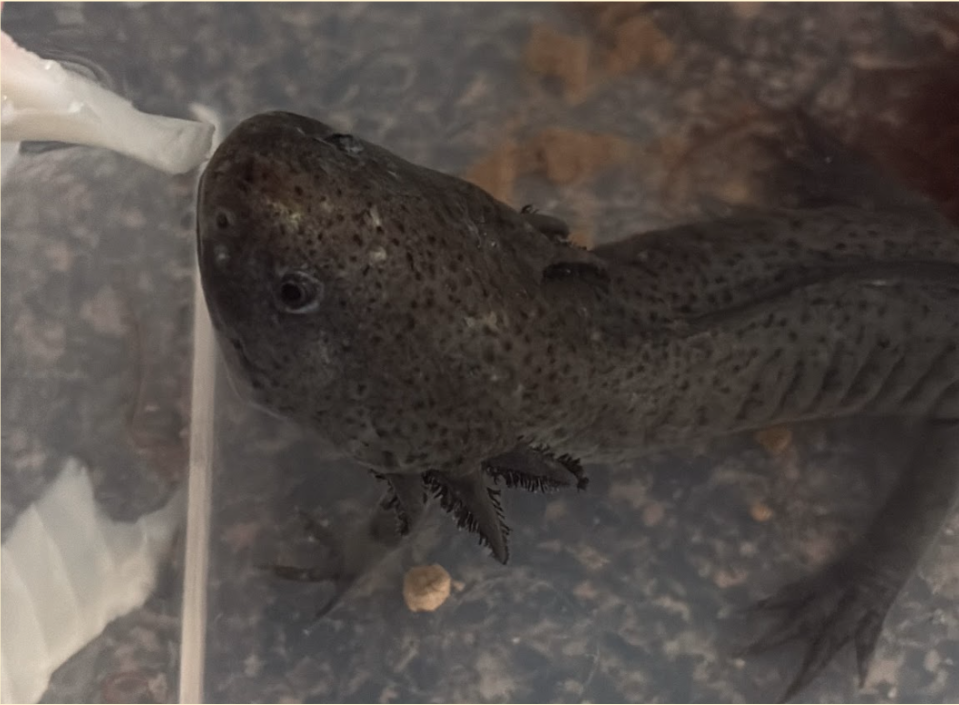
It became a game to try to tempt him with food. I tried:
salmon
tilapia
shrimp
live blackworms
Repashy Grub Pie (with and without fish oil)
pellets of various kinds
multiple sizes and types of earthworms
all of the above again, but with Garlic Guard added
Nothing worked.
The First Breakthrough—and a New Problem
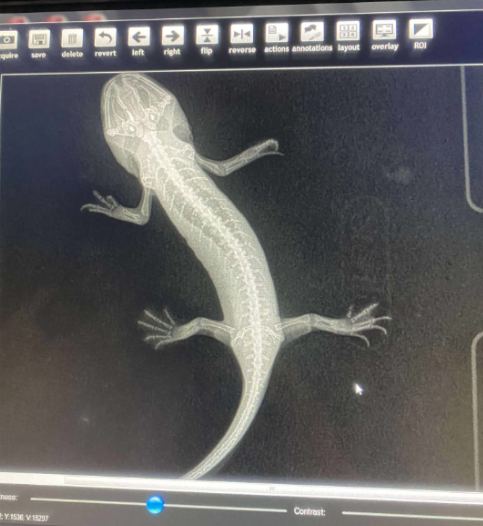
Remmy’s radiograph, illustrating how healthy and dense his bones were.
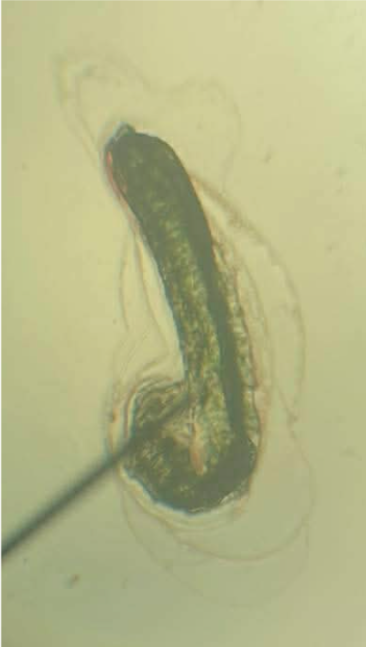
A nematode under the microscope
The first time Remmy pooped, I noticed tiny and VERY alive parasites—not something you ever want to see in an animal’s excrement. I saved a sample for examination under the microscope so we could give Remmy the most targeted treatment possible given his already fragile condition.
Remmy was seen at Whole Pet Veterinary Clinic in Westford, MA on February 26, 2026, where he was scheduled for an x‑ray. He had been kept on gravel at one time, and we wanted to determine whether he was impacted.
The x‑ray confirmed:
his bones were in excellent condition
no signs of metabolic bone disease (MBD)
no obstructions
The parasite was also identified at this visit: they were nematodes, according to the rescue’s Medical Director, Dr. Stella Sheputa. As his foster, I had already started treating him with PraziPro, a dewormer, but after discussing the findings with Dr. Stella, we switched to Expel‑P because that dewormer targets nematodes specifically.
Under Dr. Stella’s direction, we also tried a Cerenia and B12 cocktail applied externally daily to help reduce his nausea. Even unwell, it was amazing that Remmy was always so cheerful—he loved to stick his nose out of the water for boops and to say hi.
Small Improvements and Big Hopes
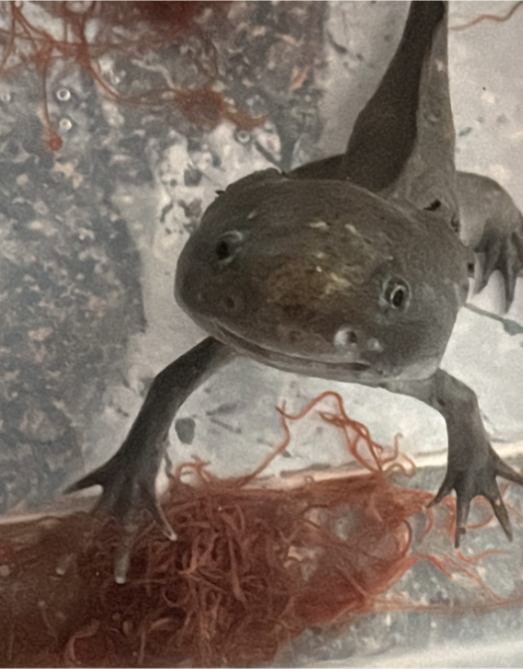
We got Remmy blackworms, and he slowly started nibbling on one or two. Sometimes I wondered how he began looking better eating just 1–2 blackworms, but he really did slowly start to look better. He became less twig‑shaped, and his color was brightening.
Because his appetite was SO low—and based on other rescues we’ve had in the past—we wondered if Remmy wasn’t tolerating tubbing well. On March 19, we moved him to a new foster who had a beautiful, cycled planted tank. She also tried every food under the sun with no luck. He remained cheerful as ever and just smelled every food.
As a last effort, we moved Remmy to a foster with another male axolotl to see if a friend would perk him up. He ate a small piece of salmon for her and then refused all food again.
Remmy came back to me on April 15 even thinner than at intake and still refusing food. We resumed the Cerenia and B12 cocktail along with attempting to force‑feed because he was dangerously thin. Dr. Stella also prescribed a pain medication in case Remmy’s symptoms were caused by some sort of pain we couldn’t identify.
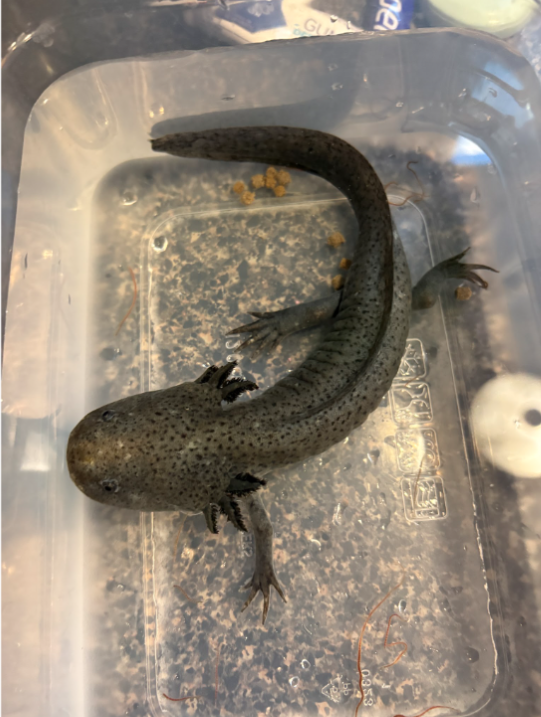
Startlingly, Remmy began to look better even eating just 1-2 blackworms at a time.
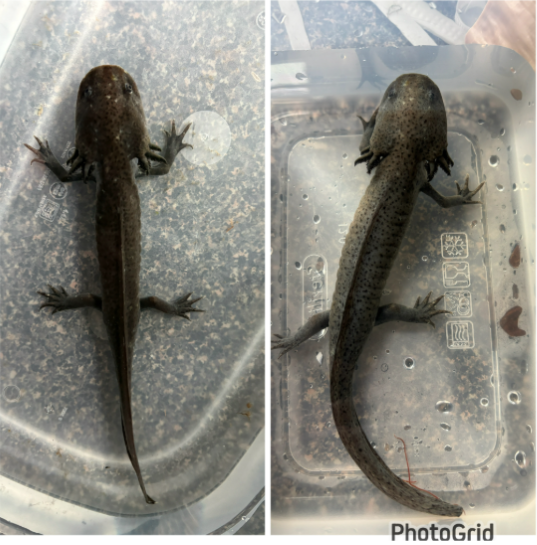
Still not healthy, but definitely looking better.
Saying Goodbye and What Remmy Taught Us
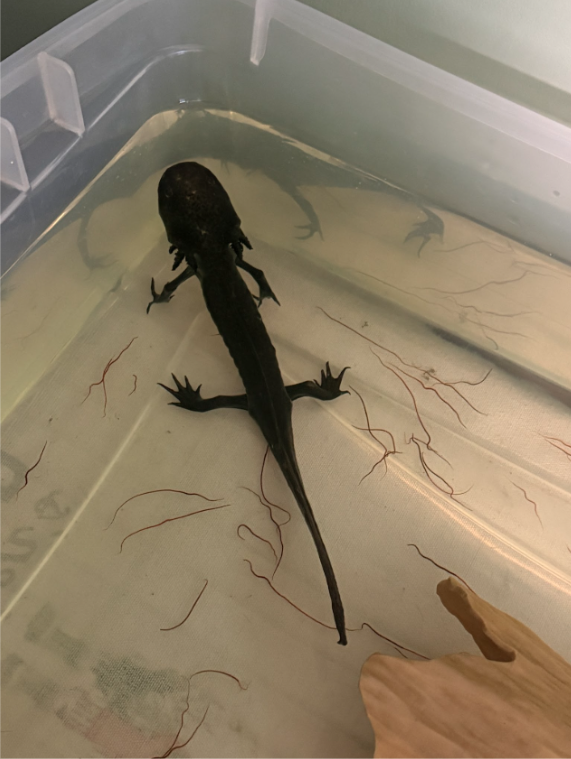
Despite pain and nausea medication, deworming, a clear radiograph, and access to plenty of food, Remmy’s condition continued to deteriorate.
Sadly, Remmy passed away on April 19th. After he passed, Dr. Stella performed a necropsy and sent his organs for analysis to learn more about why he may have died. Frustratingly, even these tests failed to reveal any significant issues that could have led to his symptoms.
Remmy, who truly became part of our family during his time in our home and at our rescue, was laid to rest in my front yard under a beautiful rose bush. I will be reminded of him every time I look at its flowers.
Our hope is that we can—and always will—learn from these hard cases. There are always questions, and we do the best we can based on what we know, what we’ve tried, all the research we can do, and as much vet care as we can provide when appropriate.
Remmy was so loved and remains so missed.
