Supporting Senior Axolotls: Understanding aging and adjusting care
Axolotls don’t have a strict age at which they become “seniors.” Instead, senior status is something you observe—a gradual shift in how your axolotl behaves, eats, and responds to their environment. Just like people, some axolotls age gracefully and slowly, while others show signs of aging earlier due to genetics or past care.
In rescue, this becomes even more important. We rarely know an axolotl’s exact birthdate, so we rely on behavioral clues, visible signs of aging, and overall condition to estimate where they are in their life stage. If you purchased your axolotl from a reputable breeder and know their hatch date, you have the advantage of tracking age directly — but for most surrendered or rescued animals, we have to read the signs their bodies give us.
This guide is meant to help keepers recognize those signs and make thoughtful adjustments that support long‑term comfort and stability.
How do we define a “Senior” axolotl?
A senior axolotl is typically identified by changes in function, not by a specific birthday. You may notice:
Increased age (naturally, older axolotls are more likely to show senior traits)
Decreased appetite
Slower metabolism
Reduced activity
Weakened immune function (getting sick more often or struggling to recover from illnesses that were once easy to fight)
Most keepers describe a general “slowing down.” Your axolotl may take longer to approach food, spend more time resting, or show less interest in interacting with tank-mates or people. Some seniors begin hiding more often, choosing quiet corners over open swimming areas.
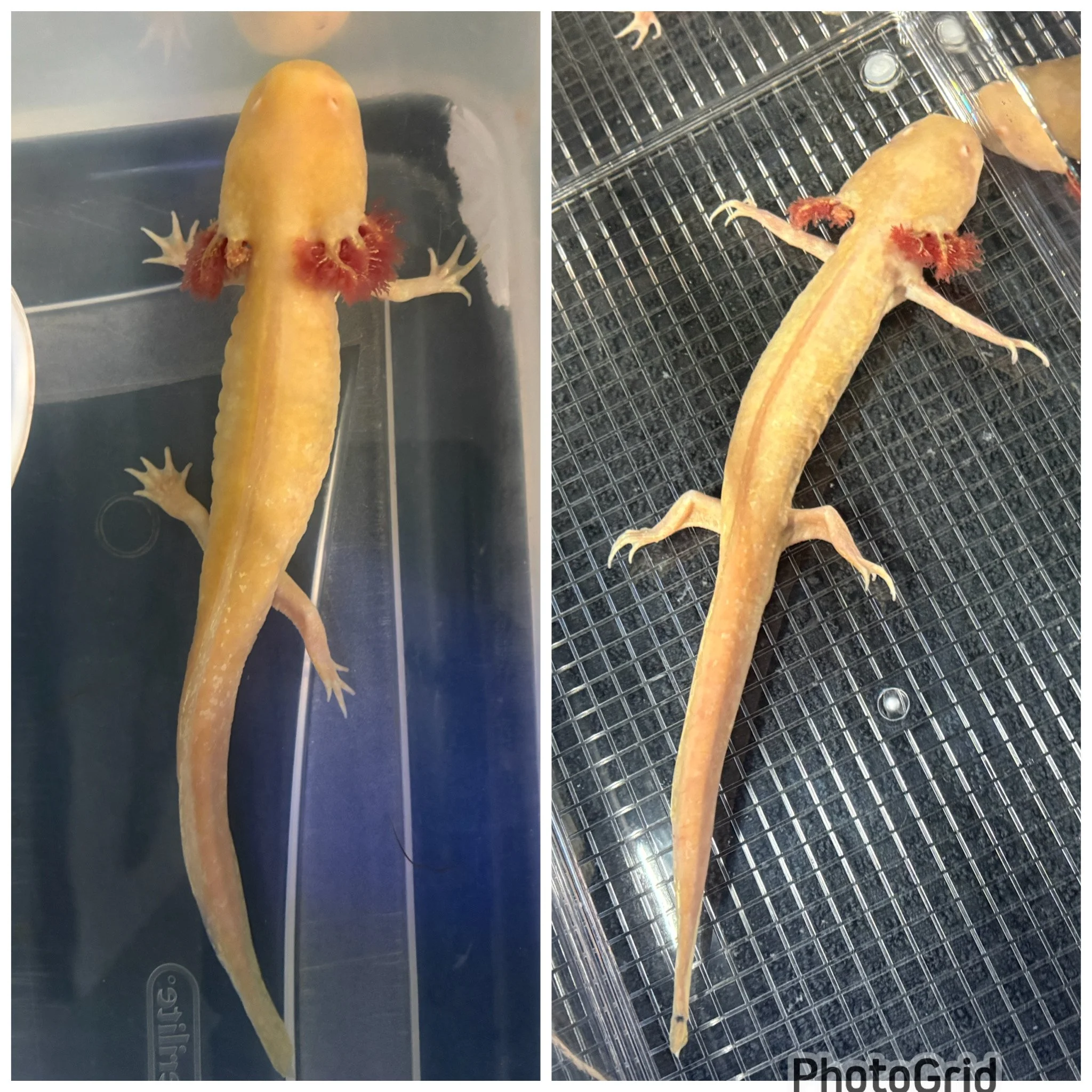
Lord Gilbert, Earl of Jest after several weeks of rehab at our rescue.
How we estimate senior status in rescue
Because most surrendered axolotls arrive without a known hatch date, we assess age based on:
Body condition (muscle tone, gill structure, skin texture)
Behavioral changes (slowing down, hiding more, reduced feeding response)
Immune resilience (frequency and severity of illness)
Overall vitality (energy levels, responsiveness, ability to maintain weight)
These clues help us determine whether an axolotl is entering or already in their senior stage, allowing us to adjust care appropriately.
What factors influence when an axolotl is considered “Senior”?
Did you know: Not all axolotls age at the same pace! Several factors can influence how early an axolotl begins to show senior characteristics:
Inbreeding and poor genetics
Unfortunately, high levels of inbreeding in the pet trade have reduced the overall health and lifespan of many axolotls. Animals with weaker genetics may:
Become immunologically compromised earlier in life
Experience chronic illness
Show senior traits prematurely
This is one of the reasons rescues see such a wide range of ages and conditions: genetics matter.
Improper husbandry (care)
Axolotls who were not provided with proper care earlier in life may age faster. Long‑term exposure to:
Poor water quality
Inadequate diet
Stressful environments
…can weaken the immune system and accelerate the onset of senior traits.
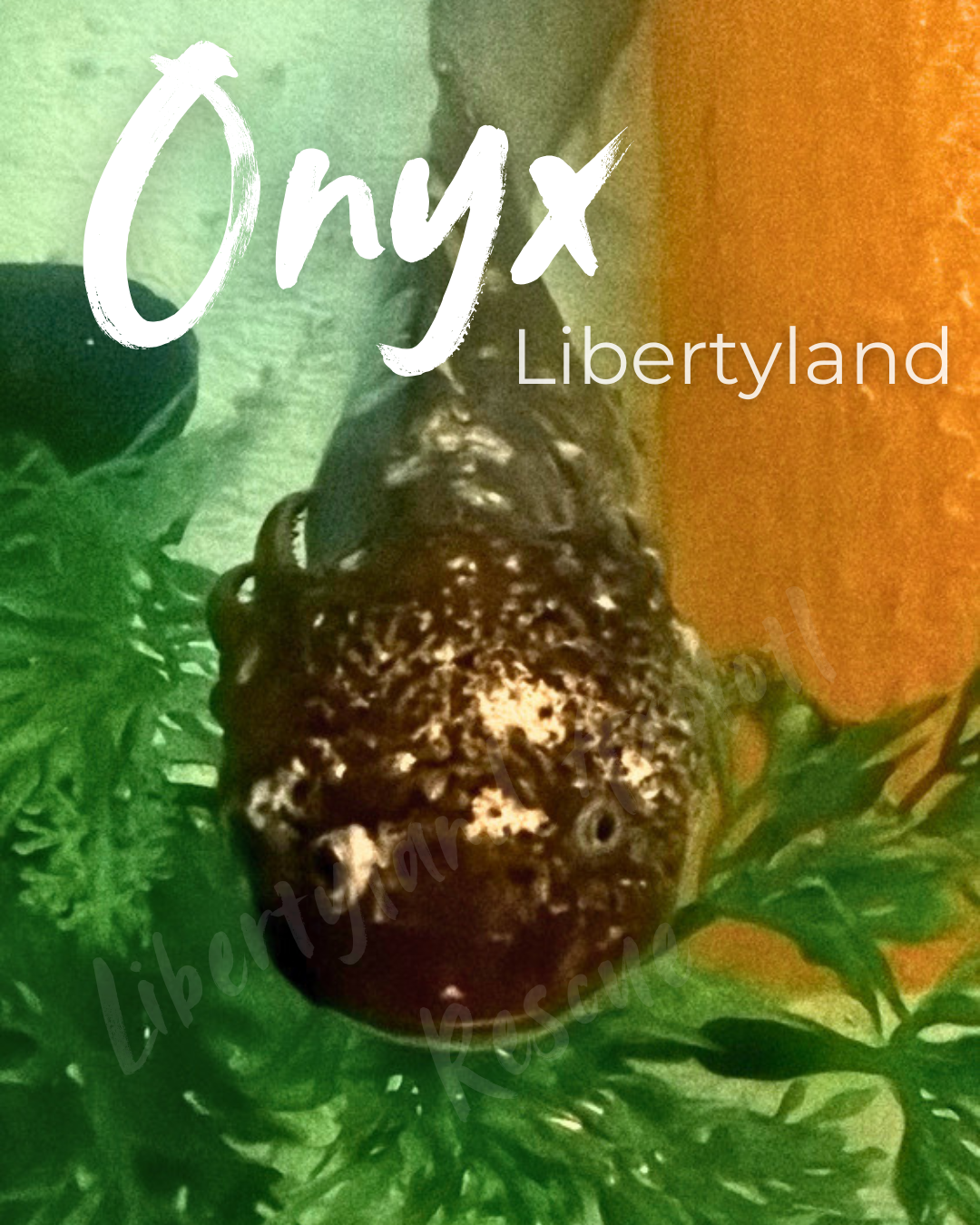
Depigmentation of the skin is often a sign that your axolotl may be reaching seniority. These can, of course, be caused by other factors as well, such as previous care and genetics.
How to Modify Care for a Senior Axolotl
Supporting a senior axolotl is all about reducing stress and maximizing stability. Small adjustments can make a meaningful difference in comfort and longevity. Tools that help maintain stability—chillers in the case of temperature—become increasingly important as your axolotl ages. So, how can you help give your senior axolotl the best life possible?
Maintain VERY low levels of Nitrates
Aim for 5–10 ppm, with 10 ppm as the absolute maximum (instead of the usual 20 ppm). Seniors benefit from exceptionally clean water because their bodies are less efficient at processing environmental stressors.
Increase the frequency of your water changes
More frequent water changes help:
Keep nitrates low
Replenish essential minerals
Maintain consistent water chemistry
Consistency is key—seniors thrive when their environment stays predictable.
Use Holtfreter’s solution in your tanks and tubs
Holtfreter’s solution is a mineral‑balanced salt mix that helps stabilize water chemistry and support axolotl immune function, making it especially beneficial for seniors who are more vulnerable to stress and infection. Holtfreter’s provides:
Essential minerals
Immune support
A preventative buffer against infection
Many senior axolotls respond well to the added stability it provides. If you’re not familiar with Holtfreter’s solution or how it’s used in axolotl care, check our our blog on the topic here.
Offer high quality staple foods
When appetite decreases, every meal counts. As your axolotl ages, it becomes important to prioritize:
Nightcrawlers / earthworms
Repashy Grub Pie
These staple foods offer dense nutrition, particularly when compared to treat foods. Seniors may eat less often, so it’s imperative to maximize the value of each feeding to help maintain weight and energy and keep their immune system strong.
Have an exotic vet (experienced with axolotls) on hand
As with most aging animals, senior axolotls are more vulnerable to things like:
Sudden illness
Secondary infections
Complications from minor injuries
This is why having a trusted exotic vet available ensures you can act quickly when something changes. We recommend setting your axolotl up with an experienced exotic vet before you run into challenges with their health, particularly if they’re older.
Setting Your Senior Axolotl Up for Success
Thoughtful adjustments in care can make your axolotl’s later years comfortable and stable. By reducing environmental stress, supporting immune function, and offering nutrient‑dense foods, you give your senior axolotl the best chance at a peaceful, healthy life.
Aging is natural—and with the right support, senior axolotls can continue to thrive, stay comfortable, and enjoy their golden years.
